Oem Hotel Mdf Door
Oem Hotel Mdf Door
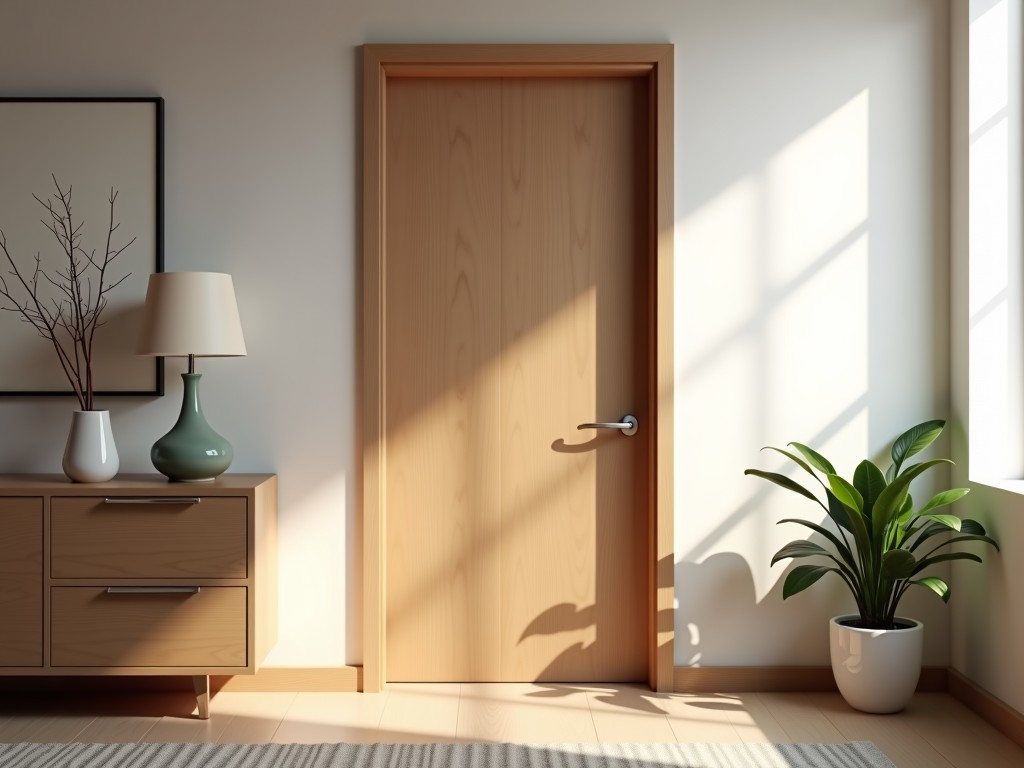
OEM Hotel MDF Door Solutions for Interior Applications
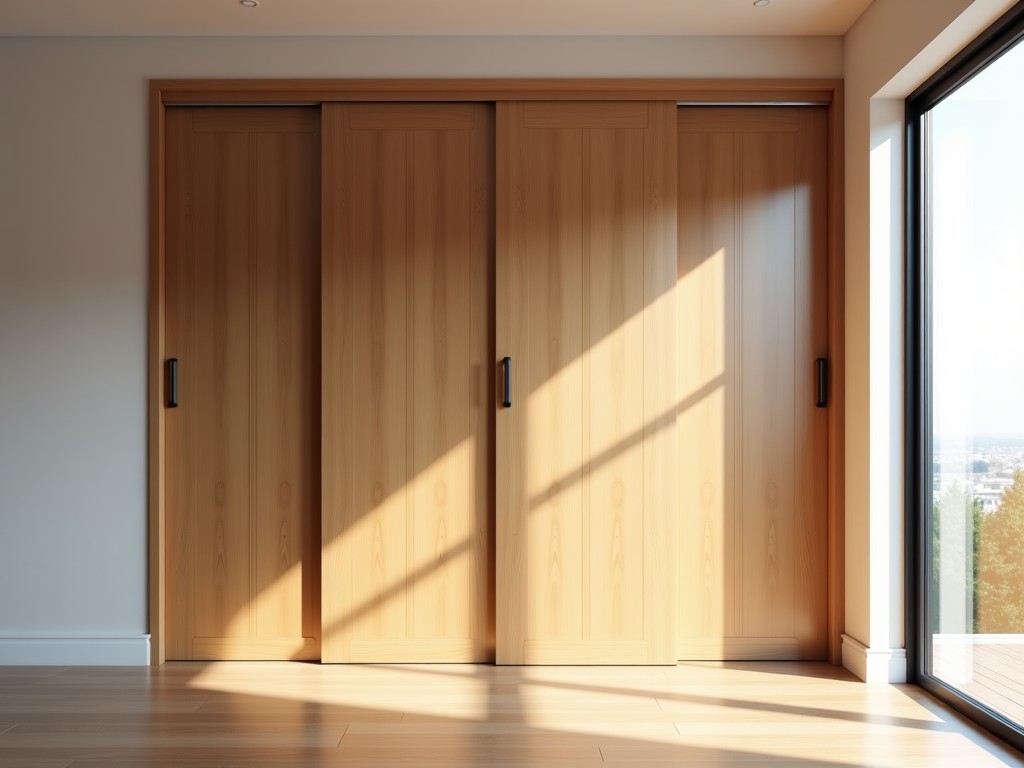
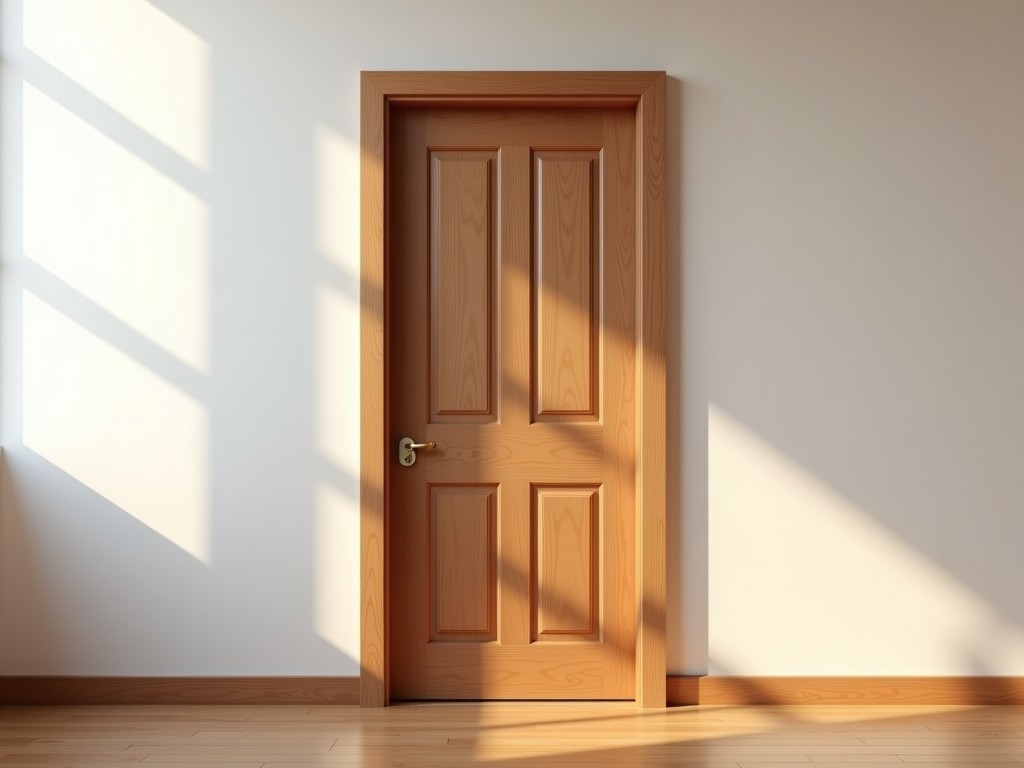
When specifying interior doors for hospitality environments, material stability, surface consistency, and finishing compatibility are critical. MDF (Medium Density Fiberboard) doors offer a uniform substrate ideal for painted, laminated, or veneered finishes in hotel guest rooms, corridors, and public spaces where dimensional stability and aesthetic repeatability matter.
Engineering Considerations for Hospitality-Grade MDF Doors
Unlike solid wood or particleboard, MDF provides isotropic properties—consistent density and minimal directional movement—reducing the risk of warping or joint failure in environments with fluctuating humidity. This makes it particularly suitable for hotel applications where long-term dimensional stability under varying climate control conditions is expected.
The homogeneous structure allows for precise milling of profiles, including eased edges, stile-and-rail detailing, and integrated glazing beads, without tear-out or splintering. This consistency supports high-volume production runs with tight tolerances on thickness, width, and height—essential for OEM supply chains requiring interchangeability across multiple room types or renovation phases.
Material Selection and Core Properties
Standard core density for hospitality MDF doors typically ranges from 650 to 750 kg/m³, balancing screw-holding strength with weight considerations for handling and installation. Higher-density variants (up to 800 kg/m³) are available for applications requiring increased impact resistance or enhanced acoustic performance.
Moisture-resistant (MR) grades are commonly specified for bathroom-adjacent areas or tropical climates, incorporating paraffin wax or melamine resin during refining to reduce thickness swelling. Fire-retardant (FR) treatments can be applied to meet local building codes for corridor doors, though certification must be project-specific.
Surface preparation is critical for finish adhesion. Doors are typically sanded to 120–150 grit prior to priming, ensuring uniform topcoat coverage whether using water-based paints, PVC laminates, or natural wood veneers. Edge sealing is recommended to prevent moisture ingress, especially in high-humidity zones like laundry areas or spas.
Manufacturing Process for OEM Consistency
OEM production begins with calibrated pressing of refined wood fibers under high temperature and pressure, followed by conditioning to stabilize moisture content. Panels are cut to blank size using CNC saws, then routed for stile, rail, and panel configurations based on project drawings.
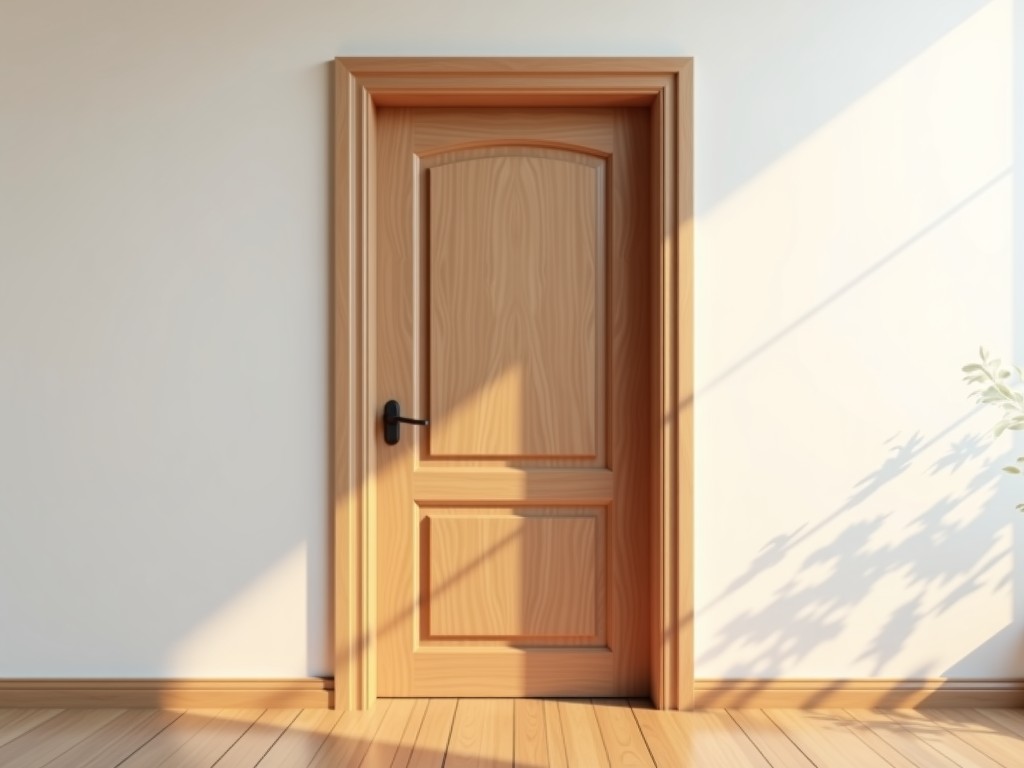
For flush designs, solid MDF cores are profiled and sanded. For paneled styles, MDF is combined with molded profiles or applied veneers to simulate raised or recessed panels. All machining is performed with carbide-tooling to maintain edge integrity and minimize fuzzy grain.
Throughout production, thickness is monitored via laser gauging at multiple points per panel, with typical tolerances held within ±0.3 mm for standard runs. Custom tolerances (e.g., ±0.15 mm) are available upon request for precision-fit applications such as motorized door systems or integrated access control housings.
Typical Specifications for Hotel MDF Doors
| Parameter | Typical Range | Notes |
|---|---|---|
| Door Thickness | 35 mm – 45 mm | 40 mm standard for interior hotel doors |
| Width | 600 mm – 900 mm | Custom widths available; multiples of 50 mm increments |
| Height | 1900 mm – 2100 mm | 2030 mm (80") common for guest rooms |
| Core Density | 650–750 kg/m³ (standard) 750–800 kg/m³ (high-density) |
MR and FR grades available |
| Surface Finish | Primed, PVC-laminated, veneered, or pre-finished | Finish type affects lead time and MOQ |
| Edge Treatment | Square, eased, bullnose, or PVC/ABS edgebanded | Edgebanding recommended for MR applications |
Customization Options for OEM Buyers
OEM hotel door programs often require project-specific adaptations. Common customizations include:
- Integrated lock block reinforcement for mortise or tubular locks
- Pre-drilled hinge and strike plate locations per template (ANSI, DIN, or proprietary)
- Vision panels with glazing beads for fire-rated or decorative glass
- Acoustic seals or drop-down bottom rails for improved STC performance
- Custom routing for cable management in smart room systems
Tooling costs for custom profiles or jamb systems are typically amortized over production volumes. For repeat orders, digital files are retained to ensure consistency across phases or property portfolios.
Packaging is designed for damage prevention during transit: individual doors are wrapped in polyethylene film, stacked with corrugated interleavers, and secured on pallets with stretch wrap and corner boards. Export packaging meets ISPM 15 standards where required.
Quality Control and Inspection
Each production lot undergoes dimensional verification, surface defect assessment, and adhesion testing (where applicable). Finish uniformity is evaluated under standardized lighting, and edge sealing is checked for continuity. Bulk sampling follows AQL standards unless otherwise specified by the buyer.
For projects requiring certification, test reports on formaldehyde emission (e.g., CARB Phase 2, E0), fire resistance, or acoustic performance can be arranged through third-party labs. Documentation is provided upon request and tied to batch numbers for traceability.
Lead Time and Supply Stability
Standard lead times for stocked primed or laminated MDF doors range from 2 to 4 weeks after drawing approval and deposit. Custom finishes, fire-rated cores, or special profiles may extend lead time to 6–8 weeks, depending on material availability and tooling requirements.
Production capacity is buffered to accommodate phased deliveries common in hotel rollouts or renovation schedules. Safety stock agreements can be established for critical SKUs to minimize disruption during high-demand periods.
When to Choose MDF Over Alternatives
MDF is preferred over solid wood when finish consistency and resistance to seasonal movement are priorities. Compared to particleboard, it offers superior screw retention and edge integrity, reducing field service calls for loose handles or sagging doors. For applications requiring extreme moisture resistance (e.g., indoor pool areas), alternatives like marine-grade plywood or PVC composite may be evaluated, but at higher cost and weight.
In hospitality, where guest room doors are replaced every 7–10 years on average, MDF provides a cost-effective balance of performance, finish quality, and lifecycle value—especially when integrated into a coordinated door, frame, and hardware package.
Discuss Your Project Requirements
Share your door schedules, detail drawings, or performance specifications for a technical review and customized proposal. Our engineering team can advise on material selection, tolerances, finish compatibility, and packaging options tailored to your hotel’s design, location, and operational needs.