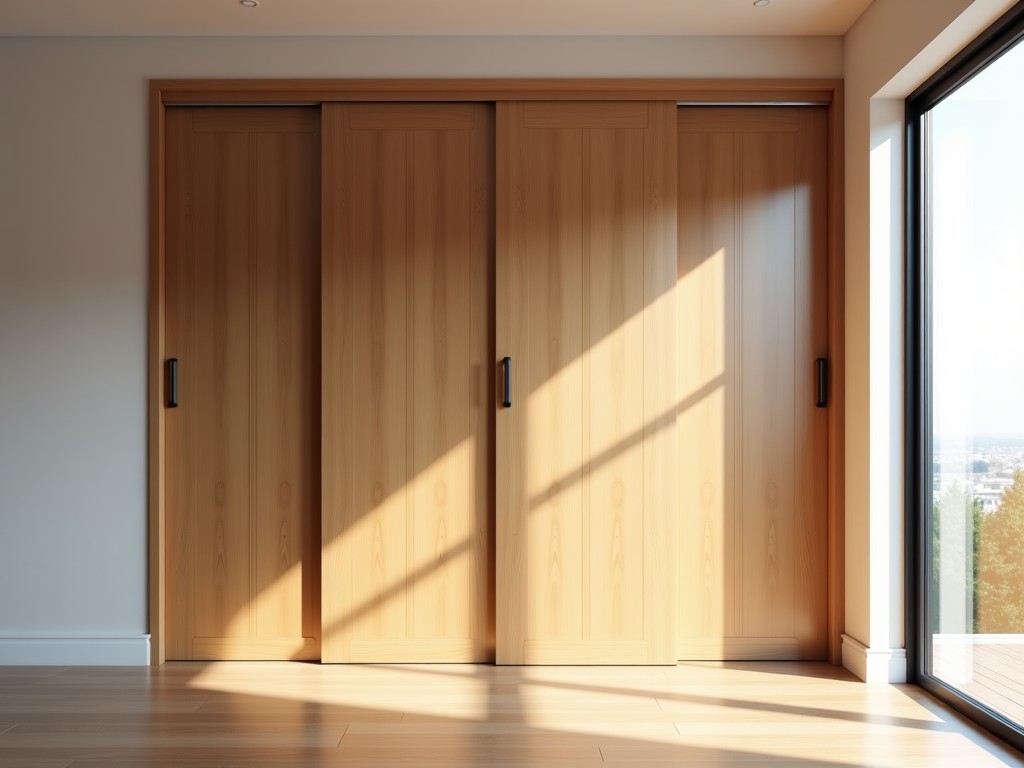
Oem Hotel Sliding Door
Oem Hotel Sliding Door

OEM Hotel Sliding Door Systems: Engineering-Driven Solutions for Hospitality Projects
Hotel sliding doors are critical components in modern hospitality design, directly impacting guest experience, operational efficiency, and long-term maintenance costs. Unlike residential or commercial office applications, hotel environments demand systems that withstand high-frequency use, varying humidity levels, and strict acoustic and safety requirements while maintaining aesthetic consistency across hundreds of units. Procurement teams and facility engineers evaluating OEM sliding door solutions must consider not only initial cost but also lifecycle performance, material stability under cyclic loading, and ease of serviceability in occupied spaces. This page outlines the engineering considerations behind hotel-specific sliding door systems, focusing on material behavior, hardware integration, and quality control practices that address real-world procurement concerns.
Material Selection for High-Cycle Hospitality Environments
The door panel and frame materials must resist warping, surface degradation, and corrosion caused by frequent cleaning, temperature fluctuations, and moisture ingress from bathrooms or coastal locations. Aluminum alloys (typically 6063-T5) are commonly selected for frames due to their favorable strength-to-weight ratio, extrusion precision, and compatibility with anodizing or powder coating for enhanced surface hardness. For door infill, options include tempered glass (8–12 mm thick) for transparency and sound attenuation, or high-density laminate-covered particleboard cores when privacy and impact resistance are priorities. The choice between materials affects not only aesthetics but also the door’s mass, which directly influences roller bearing load and track deflection over time—factors often underestimated during specification.
Hardware System Design: Rollers, Tracks, and Guiding Mechanisms
The sliding mechanism is where most field failures occur, particularly in high-traffic corridors. Systems using stamped steel rollers with polymer tires may exhibit premature wear under loads exceeding 80 kg per panel, especially when debris accumulates in the track. OEM-grade solutions typically employ precision-machined nylon or Delrin rollers housed in zinc-alloy or stainless steel brackets, paired with extruded aluminum tracks featuring anti-jump grooves and drainage channels. Vertical guiding is achieved through bottom-mounted guides or top-mounted pivot systems, with the latter reducing floor-mounted tripping hazards but requiring tighter ceiling tolerances. Track straightness tolerances of ±0.5 mm over 2 meters are critical to prevent binding, a specification that depends on extrusion quality and post-installation adjustment capability.
Acoustic and Sealing Performance in Guest Room Applications
Sound transmission between rooms and corridors is a key guest satisfaction metric. Effective acoustic performance relies not on the door mass alone but on the continuity of perimeter seals. Brush seals made from polypropylene or nylon filaments are used along the jamb and meeting stile, while magnetic or compression seals at the header and sill improve closure integrity. The seal deflection force must balance weatherproofing with operable force limits (typically <22 N for ADA compliance), a relationship governed by seal durometer and contact geometry. Laboratory testing shows that well-designed seal systems can achieve STC ratings of 35–40, but field performance depends heavily on installation precision and maintenance of seal integrity over time.
Manufacturing Consistency and Quality Control for OEM Supply
For hotel projects requiring 50–500 identical units, dimensional repeatability is non-negotiable. Variations in panel width or height beyond ±1.5 mm can cause misalignment during installation, leading to costly rework. Reputable OEM suppliers implement statistical process control (SPC) on critical dimensions during extrusion and cutting, with 100% visual inspection of surface finish and hardware pre-assembly. Packaging is another often-overlooked factor: doors are typically separated by corrugated dividers and edge-protected with expanded polystyrene (EPS) corners, then wrapped in shrink film to prevent surface abrasion during transit. Humidity indicators inside packaging help detect moisture exposure that could affect adhesive bonds in laminated cores.
Customization Options for Brand and Functional Integration
Hotel brands often require sliding doors to match specific design languages, necessitating flexibility in finish, hardware styling, and panel configuration. Anodized aluminum finishes (clear, champagne, bronze) or custom RAL powder coats allow alignment with interior palettes. Hardware can be specified with concealed fasteners, soft-close dampers, or emergency release mechanisms for accessibility compliance. Panel configurations range from single-slide to biparting or pocket designs, though the latter requires coordination with structural stud placement during rough-in. Customization impacts tooling and MOQ—finishes may require batch minimums, while unique extrusion profiles involve upfront die costs amortized over the project volume.
Installation, Adjustment, and Field Serviceability
Even precision-manufactured doors require on-site adjustment to accommodate wall plumbness and floor flatness variations. Systems designed with accessible adjustment screws—without requiring panel removal—reduce service time in occupied hotels. Track height adjustment (±3 mm) and roller eccentricity compensation (±1.5 mm radial) are standard features that allow installers to correct for substrate imperfections. Clearance between door and floor (typically 6–10 mm) must balance seal effectiveness with cleaning access; too little risks binding during expansion, too much compromises acoustic performance. Providing detailed installation guides with torque values and shimming procedures minimizes field errors and callback rates.
Typical Specifications for Evaluation
| Parameter | Typical Range / Option | Relevance to Hotel Applications |
|---|---|---|
| Door Panel Weight (max) | 80–120 kg | Determines roller bearing selection and track deflection limits |
| Panel Thickness | Affects sound transmission, stiffness, and hardware load | |
| Track Material | 6063-T5 aluminum extrusion | Provides dimensional stability and corrosion resistance |
| Roller Type | Machined nylon/Delrin in zinc/stainless housing | Reduces wear and noise under cyclic loading |
| Seal Compression Force | 8–18 N (varies by seal type) | Balances weatherproofing with operable force requirements |
| Standard Width Range | 600–1200 mm per panel | Covers most hotel room and corridor openings |
| Finish Options | Anodized (clear, champagne, bronze), Powder coat (RAL) | Enables brand consistency and environmental resistance |
*Values represent typical industry ranges; actual specifications are confirmed during engineering review based on project requirements, panel size, and material selection.
OEM & ODM Service: From Concept to Delivery
We collaborate with hotel developers, interior designers, and contractors to refine sliding door specifications early in the design phase, addressing load calculations, clearance requirements, and integration with adjacent systems such as access control or fire-rated assemblies. Our engineering team reviews shop drawings for dimensional accuracy, hardware compatibility, and sequencing logic before tooling or production begins. For projects requiring unique aesthetics or performance criteria, we offer co-development services including prototype validation, cycle testing (50,000+ operations), and accelerated weathering exposure. This approach reduces risk during installation and ensures the final product meets both design intent and operational durability expectations.
Packaging and Logistics for Global Hospitality Projects
Doors are packaged individually in horizontal stacks with interleaving protective sheets and corner guards, then secured on pallets with stretch wrap and edge protection. Each package includes installation hardware, adjustment tools, and a QR-linked manual specific to the configured model. For export shipments, we use ISPM-15 compliant pallets and include desiccant packs to control humidity during transit—particularly important for routes through high-moisture climates. Lead times typically range from 4–8 weeks after drawing approval, depending on finish complexity and order volume, with options for staggered delivery to match hotel phased opening schedules.
Maintenance Considerations for Long-Term Performance
Preventive maintenance extends service life and reduces emergency calls. Track cleaning every 6 months removes dust and debris that accelerate roller wear; silicone-based lubricants (never oil-based) are recommended for roller pins and adjustment screws. Seal integrity should be inspected annually—compression seals may lose elasticity over time, while brush seals can deform if subjected to constant pressure. Adjustment checks are advised after the first year of operation to account for building settling. Providing maintenance guidelines to hotel engineering teams ensures consistent performance across the portfolio and supports warranty compliance.
Discuss Your Hotel Project Requirements
Every hotel project presents unique challenges—whether it’s achieving acoustic targets in a busy urban location, matching a branded interior palette across dozens of room types, or ensuring reliable operation under constant use. Share your architectural drawings, performance specifications, or sample details with our engineering team to receive a tailored proposal that addresses material selection, hardware configuration, and quality control protocols suited to your specific needs.