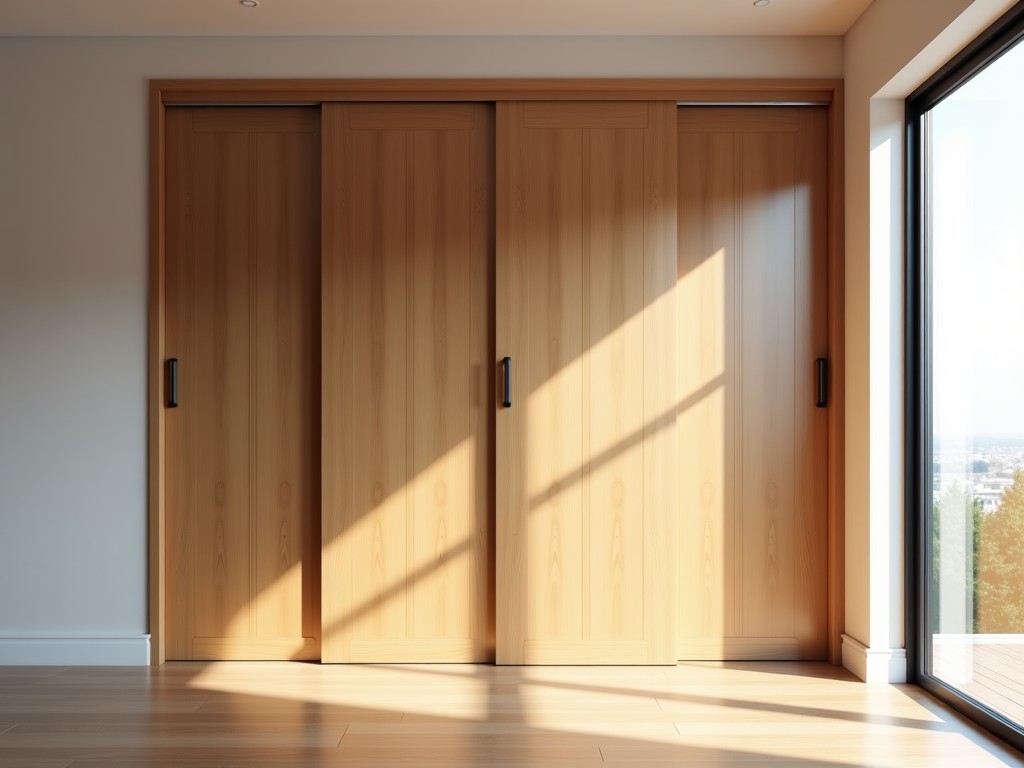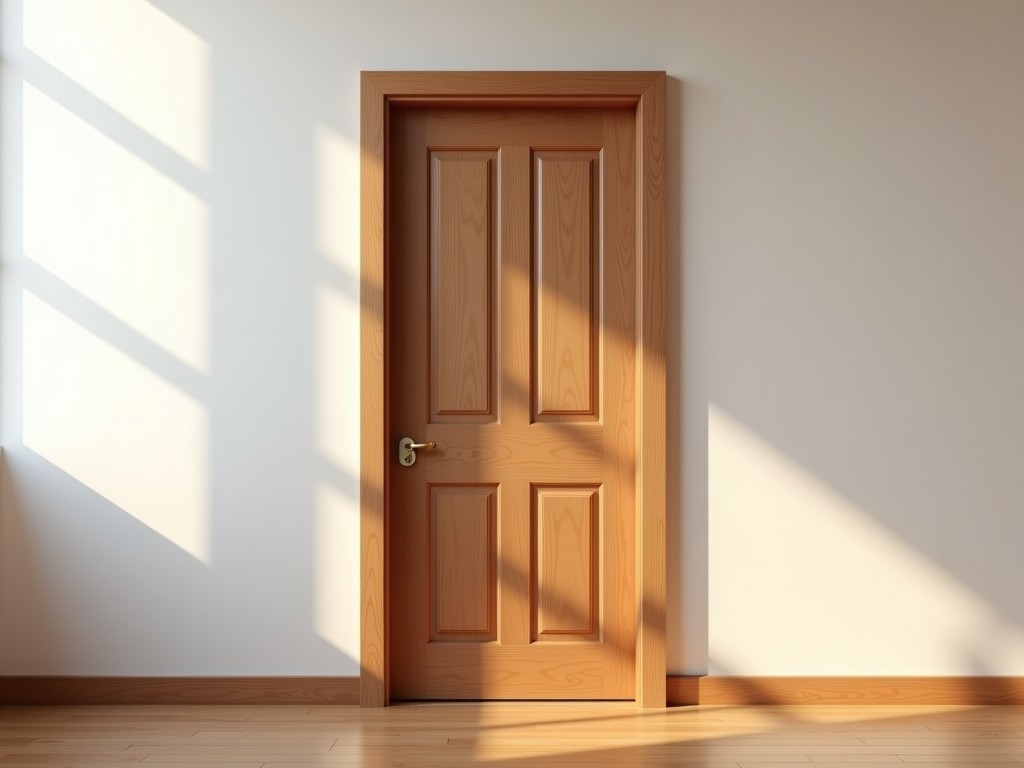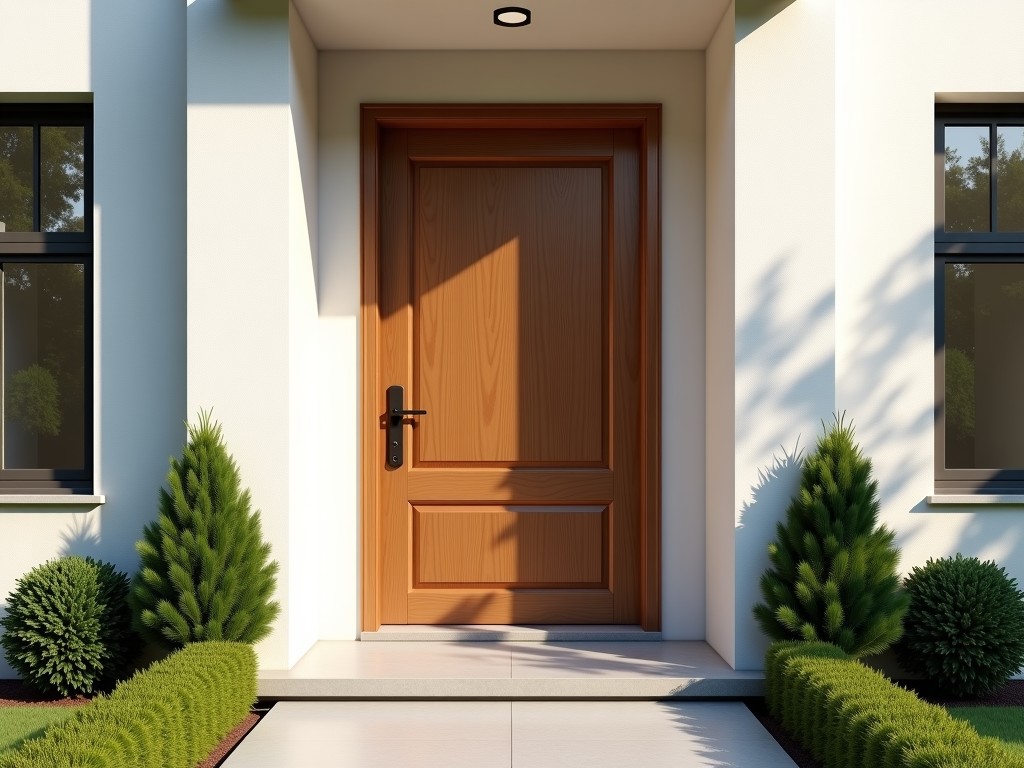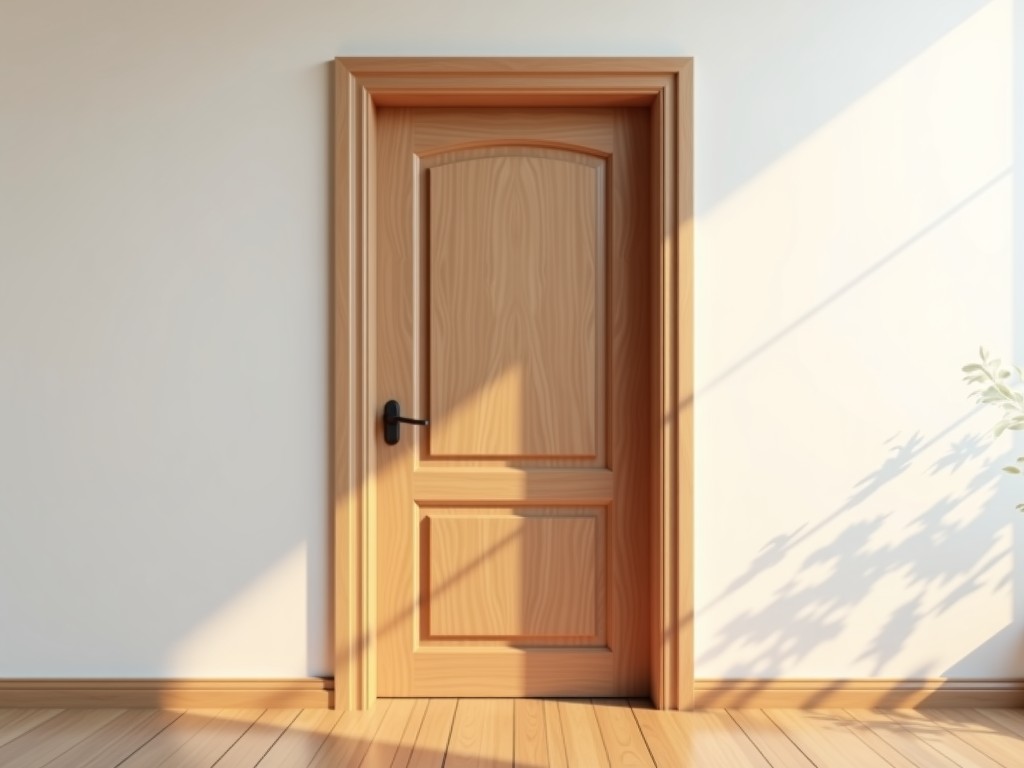
Oem Natural Veneer Interior Door
Oem Natural Veneer Interior Door
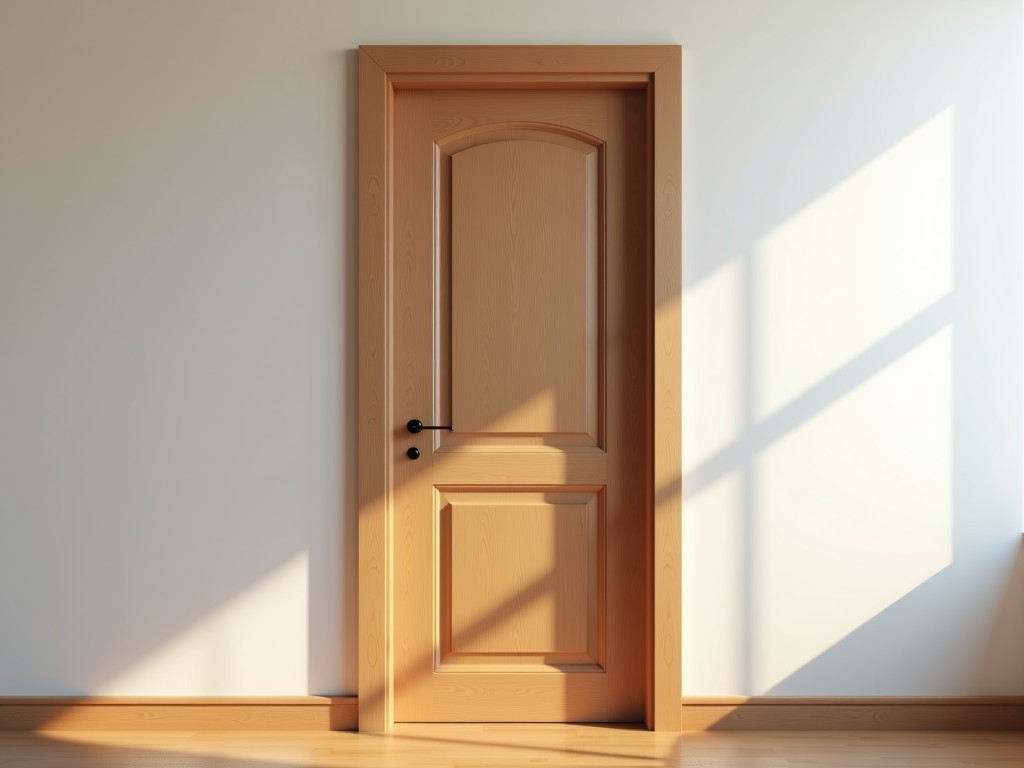
OEM Natural Veneer Interior Door
Natural veneer interior doors are specified in commercial and institutional projects where material authenticity, dimensional stability, and finish consistency impact long-term performance. Unlike solid wood or laminated alternatives, veneer-faced doors provide the visual characteristics of premium hardwoods while offering improved resistance to warping and checking when manufactured with engineered cores and balanced construction.
For OEM buyers and procurement teams, the primary concern is not aesthetics alone but how the door performs under repeated cycling, humidity fluctuations, and finish adhesion over a 10–15 year service life. This requires understanding the interaction between veneer species, core material, adhesive systems, and edge sealing — all of which influence field performance and warranty risk.
Material Selection and Core Compatibility
The veneer face is typically sliced from logs of species such as oak, maple, walnut, or cherry, with thickness ranging from 0.5mm to 0.6mm. Thinner veneers reduce material cost but increase susceptibility to telegraphing core imperfections; thicker veneers improve sanding durability but require more precise substrate flatness. The choice of species affects not only appearance but also movement characteristics — for example, quartersawn white oak exhibits less tangential movement than plain-sliced birch, which influences gap consistency in framed openings.
Core materials vary by application: particleboard cores offer cost efficiency and screw holding for standard office doors; MDF cores provide superior edge machinability and uniform density for routed profiles or concealed hinges; agrifiber or straw cores are selected in projects requiring low formaldehyde emissions. Each core bonds differently with veneer adhesives — urea-formaldehyde (UF) is common in dry environments, while melamine-urea-formaldehyde (MUF) or phenol-formaldehyde (PF) systems are specified for higher humidity resistance in healthcare or educational facilities.
Manufacturing Process and Dimensional Control
Veneer application begins with core calibration to ±0.1mm thickness variation across the panel. Face and back veneers are applied simultaneously using hot or cold presses to ensure balanced tension — a critical step to prevent bowing or twisting post-lamination. Press cycles are controlled based on adhesive cure kinetics, veneer moisture content (typically 6–8%), and core thermal mass, with cycle times ranging from 3 to 8 minutes depending on press temperature and adhesive type.
After pressing, doors are sanded to achieve uniform thickness tolerance (±0.2mm) and surface roughness (Ra 3.2–6.3µm) suitable for priming or direct finishing. Edge bands are applied using hot-melt or PVA adhesives, with edge sealing critical to prevent moisture ingress at the most vulnerable point — the end grain of the core. In high-cycle environments, such as hospitals or schools, 3mm PVC or ABS edges are often specified over wood veneer for impact resistance.
Performance Characteristics and Testing
Dimensional stability is evaluated per ASTM D1037, with acceptable limits of ≤0.5% length change and ≤0.8% width change after 24-hour soak and dry cycles. Finish adhesion is tested via ASTM D3359 tape test, requiring minimum 4B rating for coated surfaces. Impact resistance, particularly for edges and faces, is assessed using ASTM D5420 falling dart tests, with performance varying by core type — MDF cores typically outperform particleboard in edge impact due to higher density and homogeneity.
Fire ratings are achieved through core modification or intumescent edge seals, with 20-minute (FD20) and 45-minute (FD45) ratings common in corridor and stairwell applications. Smoke development and flame spread indices are tested per ASTM E84, with Class A ratings requiring specific core treatments and veneer thickness limitations.
Typical Specifications
| Parameter | Typical Range | Notes |
|---|---|---|
| Door Thickness | 35mm, 40mm, 44mm | 44mm standard for fire-rated applications |
| Width | 600–900mm | Custom widths available upon engineering review |
| Height | 1900–2200mm | 2100mm most common for commercial openings |
| Veneer Thickness | 0.5–0.6mm | Thicker veneers available for high-sandability requirements |
| Core Options | Particleboard, MDF, Agrifiber, Solid MDF | Selection based on machining, moisture, and emission requirements |
| Edge Band | Wood veneer, PVC, ABS, Aluminum | PVC/ABS preferred in high-impact or wet areas |
| Face/Back Balance | Symmetrical veneer application | Prevents warping; backer veneer may be lower grade |
Customization and OEM Support
OEM buyers frequently require non-standard dimensions, custom veneer matching, or specialized edge treatments to align with architectural schedules or modular wall systems. Customization begins with shop drawings or BIM models, which are reviewed for core suitability, hinge and lock reinforcement needs, and swing direction. Veneer matching — whether book-matched, slip-matched, or random — is coordinated to ensure grain consistency across door sets, particularly in visible elevations.
For projects requiring fire ratings, acoustic performance, or lead-lined cores, engineering teams validate core compositions and edge seal integrity against test standards. Lead times for standard configurations range from 3 to 4 weeks; customized orders typically require 5 to 6 weeks, depending on veneer sourcing and press scheduling. Minimum order quantities vary by veneer species and core type, with common hardwoods allowing lower MOQs than exotic or figured grains.
Packaging and Logistics
Doors are packaged individually in polyethylene bags to prevent surface abrasion, then stacked on pallets with corner protectors and interstitial slip sheets to manage moisture migration during transit. Export packaging includes ISPM-15 compliant pallets and desiccant bags for container shipments, with humidity indicators included for quality verification upon arrival. Each unit is labeled with product code, veneer species, core type, fire rating (if applicable), and production date for traceability.
For just-in-time delivery programs, suppliers may offer staggered release schedules or warehouse buffering near project sites. Damage claims are typically tied to packaging integrity — corner dents or face scratches are assessed against acceptance criteria defined in ASTM F476, with repair or replacement authorized based on severity and location.
Selection Guide for Procurement and Engineering Teams
When evaluating suppliers, request documentation on veneer sourcing (FSC or PEFC certification upon request), adhesive systems used, and core moisture content at time of pressing. Ask for test reports on dimensional stability and finish adhesion specific to the proposed core and veneer combination — generic data may not reflect actual performance. For projects in high-humidity climates, inquire about post-press conditioning cycles and equilibrium moisture content (EMC) targets.
Physical samples should be evaluated for telegraphing, edge bond integrity, and surface flatness using a straightedge and feeler gauge. Avoid doors showing visible core pattern transfer or uneven sanding, as these indicate process imbalances that may worsen in field conditions. For OEM programs, establish first-article inspection protocols that include thickness variation, diagonal difference, and squareness checks before approving production runs.