Oem Oak Veneer Door
Oem Oak Veneer Door

OEM Oak Veneer Door
In architectural and furniture manufacturing, surface finish consistency and substrate stability directly impact assembly efficiency and long-term performance. Oak veneer doors used in commercial interiors, hotel projects, and high-end residential applications require precise dimensional control, uniform grain appearance, and resistance to delamination under varying humidity conditions. Selecting the right veneer construction method ensures compatibility with downstream processes such as edge banding, hinge installation, and final finishing.
Material Selection and Veneer Construction
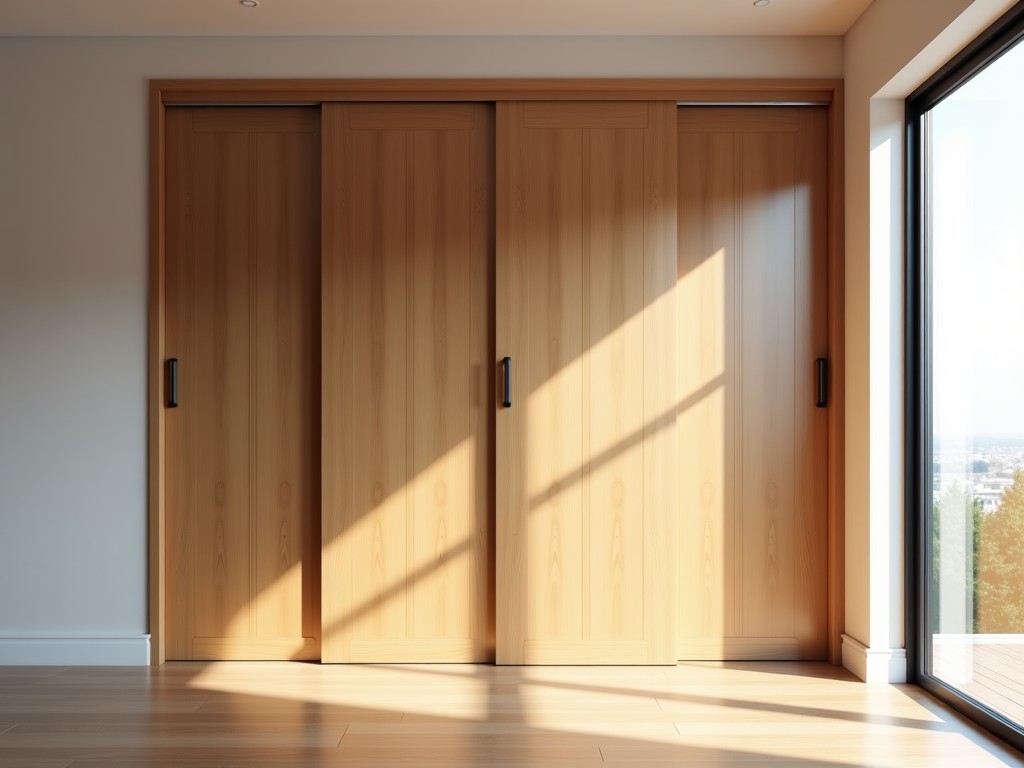
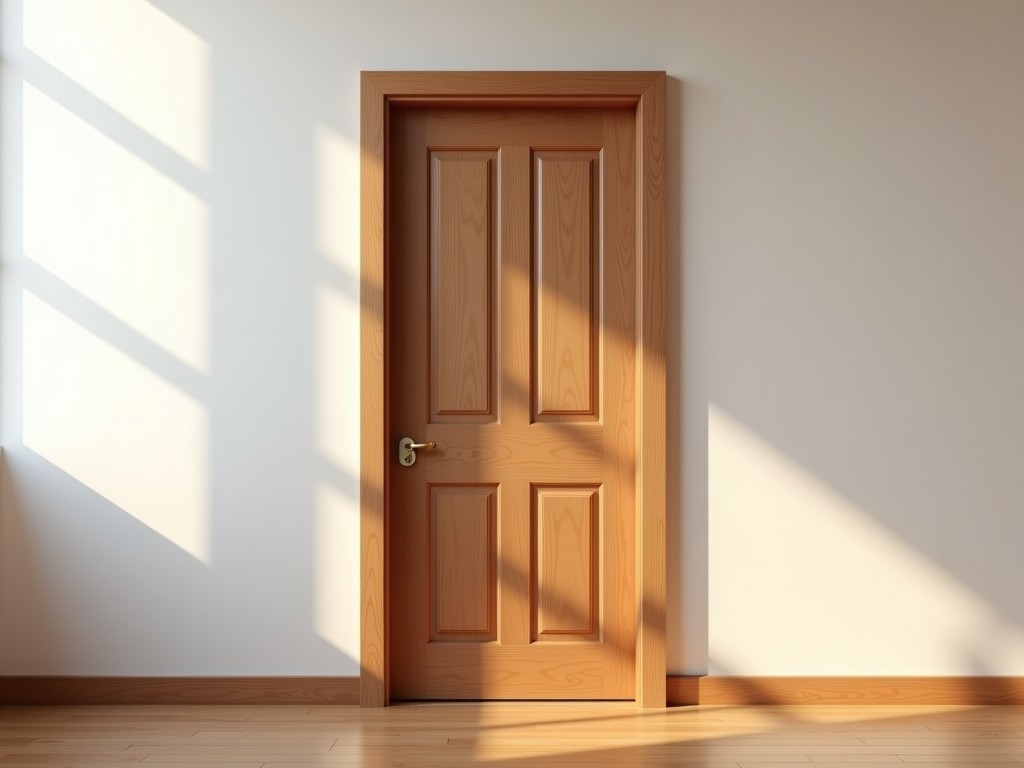
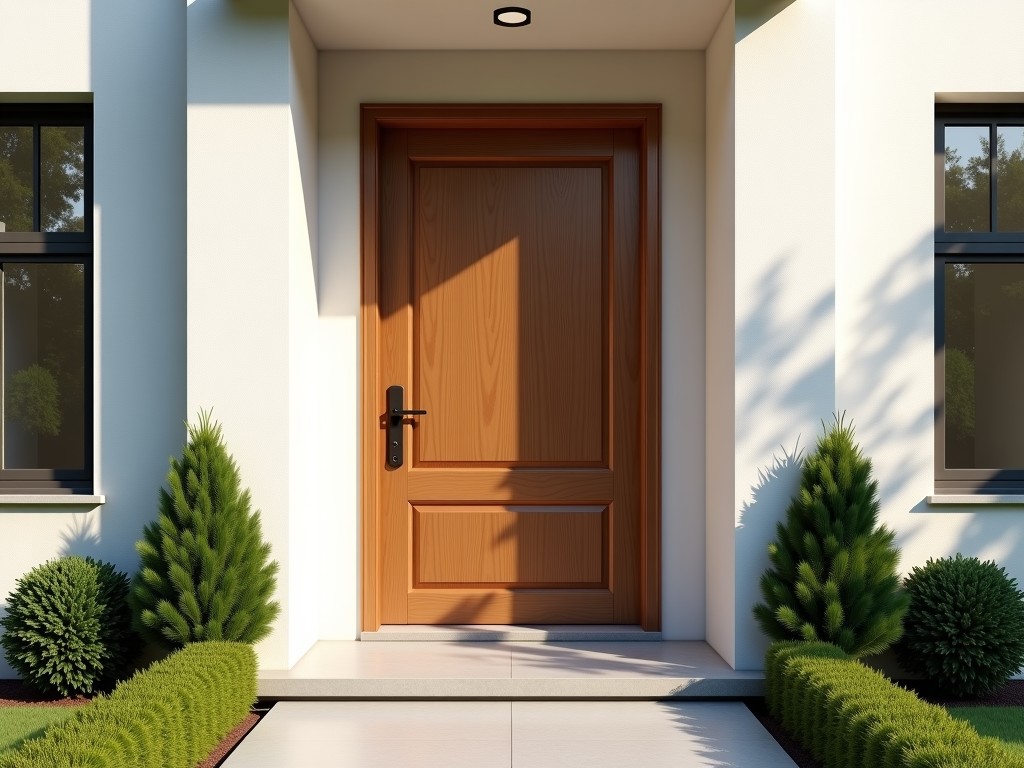
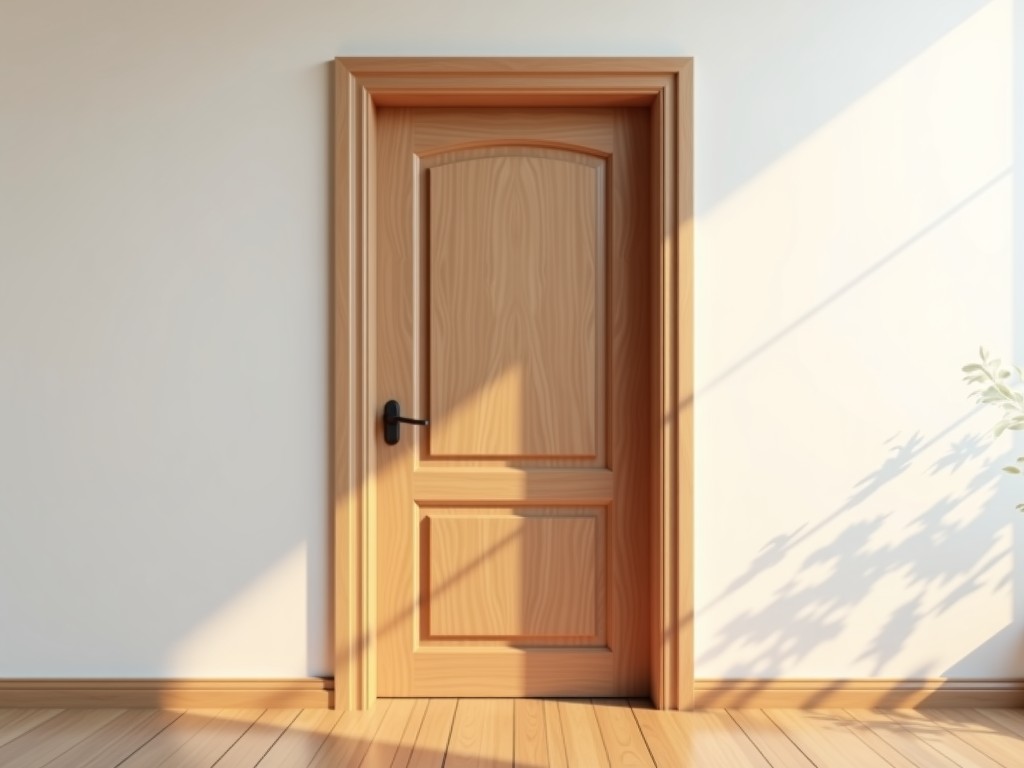
OEM oak veneer doors typically use either rotary-cut or plain-sliced white or red oak veneer, selected based on grain pattern requirements and yield efficiency. Rotary-cut veneer offers consistent width and lower cost for large-panel applications, while plain-sliced provides a cathedral grain pattern preferred in visible architectural elements. The veneer is bonded to a stable substrate—commonly MDF, particleboard, or laminated veneer lumber (LVL)—using urea-formaldehyde or melamine-urea-formaldehyde adhesives that meet E1 or CARB2 emissions standards. Substrate choice affects screw holding strength, edge integrity, and resistance to swelling; MDF provides uniform density for machined edges, while LVL offers higher tensile strength for taller door assemblies.
Manufacturing Process and Tolerance Control
The production process begins with substrate preparation, including sanding to achieve a surface roughness of Ra 4–6 μm for optimal adhesive bond strength. Veneer sheets are cut to size, allowing for 2–3 mm overhang on all edges to accommodate trimming after pressing. Cold or hot pressing is applied at 0.8–1.2 MPa pressure for 3–5 minutes, depending on adhesive type and substrate thickness. Post-pressing, doors are trimmed to final dimensions using CNC saws with tolerance control of ±0.5 mm on length and width, and ±0.3 mm on thickness. Sanding is performed in stages—first with 80-grit to remove press marks, then 120-grit for surface preparation before finishing. This sequence ensures dimensional stability and surface readiness for UV coating, polyurethane, or water-based topcoats.
Typical Specifications
| Parameter | Typical Range | Notes |
|---|---|---|
| Door Thickness | 30–45 mm | Customizable per project |
| Width | 200–900 mm | Standard widths; custom available |
| Height | 1800–2400 mm | Standard; taller doors require LVL substrate |
| Veneer Thickness | 0.4–0.6 mm | Rotary or plain-sliced oak |
| Substrate Options | MDF, Particleboard, LVL | MDF for smooth edges; LVL for height stability |
| Adhesive Type | UF, MUF (E1/CARB2) | Low-emission, indoor use compliant |
| Dimensional Tolerance | ±0.5 mm (L/W), ±0.3 mm (T) | Achievable with CNC trimming |
| Surface Finish | Sanded (Ra 4–6 μm) | Ready for coating |
Application Scenarios
OEM oak veneer doors are specified in projects where aesthetic consistency and cost efficiency are both critical. In hotel guestroom corridors, uniform veneer appearance across hundreds of doors ensures visual harmony, while MDF substrates allow for precise routing of locksets and hinges without tear-out. In multi-family residential developments, the stability of LVL-backed doors prevents warping in units with fluctuating HVAC performance, reducing callback rates during warranty periods. For office interiors, plain-sliced oak veneer provides a premium appearance at a lower cost than solid wood, enabling designers to meet budget constraints without sacrificing perceived quality. These doors are also used in retail fixtures and exhibition stands where reconfigurability demands lightweight yet dimensionally stable panels.
Customization and OEM Services
Customization options include veneer species (white oak, red oak, or engineered oak), cut style (rotary, plain-sliced, quarter-sliced), substrate type, adhesive formulation (including low-VOC or formaldehyde-free alternatives), and edge treatment (raw, PVC/ABS edge banded, or pre-finished). Doors can be supplied sanded-only for on-site finishing or pre-coated with UV-cured polyurethane, water-based lacquer, or melamine overlay. For OEM clients, we provide engineering support to optimize door design for specific hardware integration—such as concealed hinges, magnetic catches, or automated door systems—minimizing field adjustments. Tooling and setup costs are amortized over production volume, with no MOQ for standard configurations; customized runs typically begin at 50 units depending on complexity.
Packaging and Logistics
To prevent surface damage and edge chipping during transit, doors are stacked horizontally on pallets with intermediate layers of corrugated cardboard or polyethylene foam between each unit. Corner protectors and stretch wrapping secure the load, while humidity-indicating cards are included in export shipments to monitor moisture exposure. Standard pallet dimensions accommodate 20–30 doors per stack, depending on thickness, with a maximum height of 1.8 meters to ensure stability during forklift handling. For sea freight, additional moisture-barrier liners and desiccant packs are used to maintain equilibrium moisture content below 8%. All packaging materials are ISPM15-compliant for international shipment.
Quality Control and Inspection
Quality checks occur at multiple stages: incoming veneer is inspected for color consistency, grain orientation, and defects such as knots or splits; substrate is tested for moisture content (target 6–8%) and flatness; post-pressing, doors are checked for bond strength via peel test (minimum 0.8 MPa) and dimensional accuracy; final inspection includes surface appearance under 500 lux lighting, edge integrity, and squareness. Random samples are subjected to cyclic humidity testing (30%–90% RH, 25°C) to evaluate resistance to delamination and warping. Inspection reports, including adhesive emission test results and dimensional logs, are available upon request. These procedures ensure batch-to-batch consistency and compliance with interior finish specifications.
Selection Guide
When specifying OEM oak veneer doors, begin by determining the required aesthetic: plain-sliced for traditional grain, rotary for uniform width, or quarter-sliced for straight grain and fleck pattern. Next, evaluate substrate based on door height and hardware load—MDF for interior doors under 2200 mm, LVL for taller assemblies or high-cycle applications. Consider environmental conditions: in humid climates, select substrates with lower hygroscopic response and adhesives with enhanced water resistance. For projects requiring on-site finishing, specify sanded-only doors with Ra 4–6 μm surface readiness; for factory-finished units, confirm coating type and curing method to ensure compatibility with site conditions. Finally, validate packaging standards for your logistics chain—especially for export or long-term storage—to prevent moisture-related issues upon arrival.
To discuss your project requirements, share your drawings or specifications with our engineering team for a customized proposal. We provide technical feedback on material selection, tolerance optimization, and packaging suitability based on your application environment and production timeline.
Contact Our Engineering Team