OEM Project Wooden Door Factory
OEM Project Wooden Door Factory
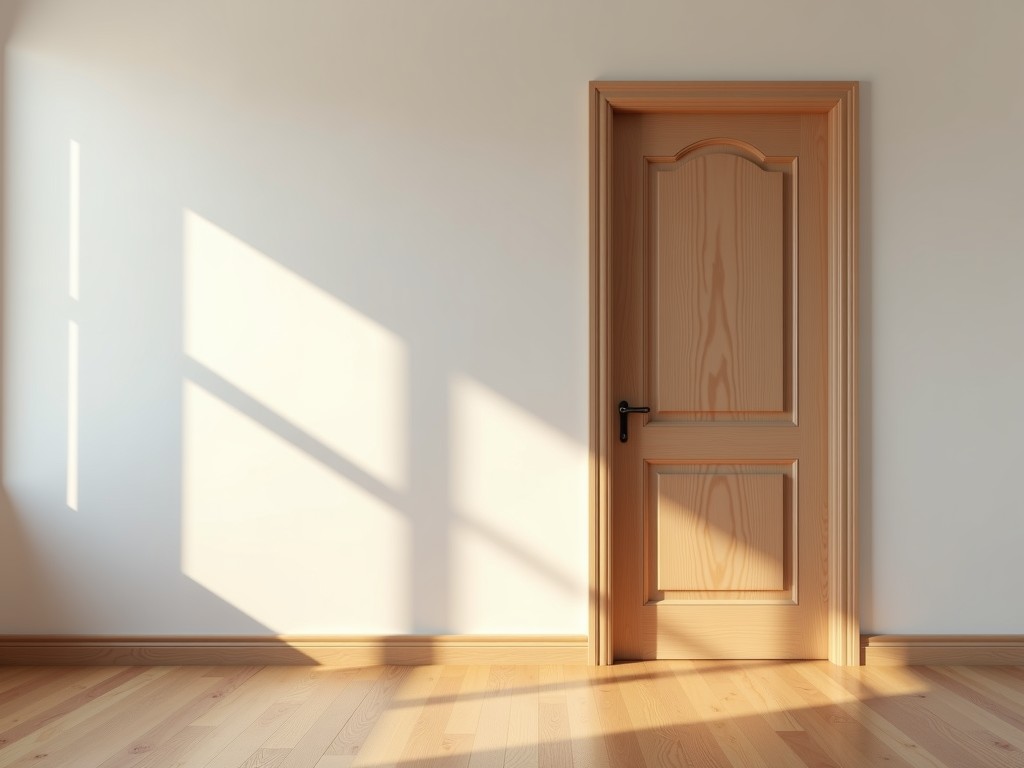
Project Wooden Door: Engineered for Industrial and Commercial Applications
Selecting the right wooden door for industrial or commercial projects involves more than aesthetics—it requires understanding material behavior, dimensional stability, and long-term performance under varying environmental conditions. This page explains the engineering considerations behind project wooden doors, helping procurement teams and engineers evaluate suitability based on construction demands, usage frequency, and environmental exposure.
Material Selection and Core Construction
Project wooden doors are typically constructed using engineered wood cores such as particleboard, MDF, or laminated veneer lumber (LVL), faced with hardwood or softwood veneers. The choice of core material affects weight, screw holding strength, and resistance to warping. For high-traffic areas like hospitals, schools, or manufacturing facilities, LVL cores provide superior bending strength and dimensional stability compared to standard particleboard, reducing the risk of sagging over time. Veneer species—such as oak, maple, or walnut—are selected based on wear resistance, grain consistency, and finishing compatibility, with thicker veneers (0.6mm or more) offering better durability in abrasive environments.
Manufacturing Process and Dimensional Control
Doors are manufactured using precision pressing and bonding techniques under controlled temperature and humidity to minimize internal stresses. The adhesive system—commonly phenol-formaldehyde or PVA-based—is selected for its resistance to delamination under cyclic humidity changes. Edge banding, whether PVC, wood, or metal, is applied using hot-melt adhesives to protect the core from moisture ingress, a critical factor in preventing swelling at the edges. Tolerances on thickness, width, and height are maintained within ±1.5mm for standard sizes, with tighter control available upon request for OEM integration into pre-hung frames or automated systems.
Performance Characteristics in Demanding Environments
In environments with fluctuating humidity—such as food processing plants or coastal warehouses—the equilibrium moisture content (EMC) of the door must align with ambient conditions to avoid expansion or contraction that affects clearance and sealing. Doors intended for fire-rated applications incorporate mineral core additives or special intumescent seals within the stile and rail assembly, tested to withstand fire exposure for 20, 45, or 60 minutes. Acoustic performance, measured in STC (Sound Transmission Class), ranges from 25 to 35 depending on core density and sealing details, making certain configurations suitable for office partitions or test laboratories where noise control is required.
Typical Specifications
| Parameter | Typical Range | Notes |
|---|---|---|
| Thickness | 35mm – 50mm | 44mm standard for commercial use |
| Width | 700mm – 1000mm | Custom widths available |
| Height | 1900mm – 2400mm | Standard heights: 2040mm, 2100mm |
| Core Material | Particleboard, MDF, LVL | LVL for high-load applications |
| Face Veneer | 0.5mm – 1.0mm hardwood | Oak, maple, beech common |
| Fire Rating | Non-rated, 20/45/60 min | Requires certified assembly |
| STC Rating | 25 – 35 | Dependent on seals and mass |
Customization and OEM Integration
For OEMs and system integrators, doors can be supplied with pre-machined hardware pockets for hinges, locks, and panic bars, reducing on-site labor and alignment errors. Veneer matching across multiple units is available for projects requiring visual consistency, such as hotel corridors or government buildings. Edge profiles—square, rounded, or recessed—can be customized to suit frame designs or accessibility requirements. Lead times for standard configurations typically range from 3 to 4 weeks, while customized orders involving special cores, fire ratings, or large veneer runs may extend to 6–8 weeks, depending on material scheduling and tooling preparation.
Packaging, Logistics, and Quality Control
Doors are packaged individually in polyethylene sleeves with corner protectors and placed on pallets with horizontal bracing to prevent twisting during transit. Each unit includes a label with batch number, dimensions, core type, and finish code for traceability. Prior to shipment, every door undergoes a visual inspection for surface defects, a squareness check using diagonal measurements, and a weight sample test to detect core inconsistencies. Moisture content is verified using pin-type meters, with acceptance criteria typically set between 8% and 12% depending on destination climate. These controls help reduce field failures related to warping, delamination, or finish adhesion.
Selection Guide for Procurement and Engineering Teams
When evaluating suppliers, request documentation on adhesive type, core density, and veneer sourcing. For fire-rated doors, confirm third-party certification (e.g., UL, CE) and ensure the frame and hardware are part of the tested assembly. In high-humidity environments, inquire about EMC stabilization processes and whether the door has been conditioned to local equilibrium prior to shipping. For acoustic applications, ask for STC test reports from accredited laboratories. Avoid selecting doors based solely on price—variations in core material, veneer thickness, and edge treatment significantly impact lifespan and performance, especially in high-cycle applications.
Discuss your project requirements with our engineering team to ensure the door solution meets your structural, environmental, and compliance needs.
Share your drawings or specifications for a customized proposal, including lead time, packaging options, and quality documentation.