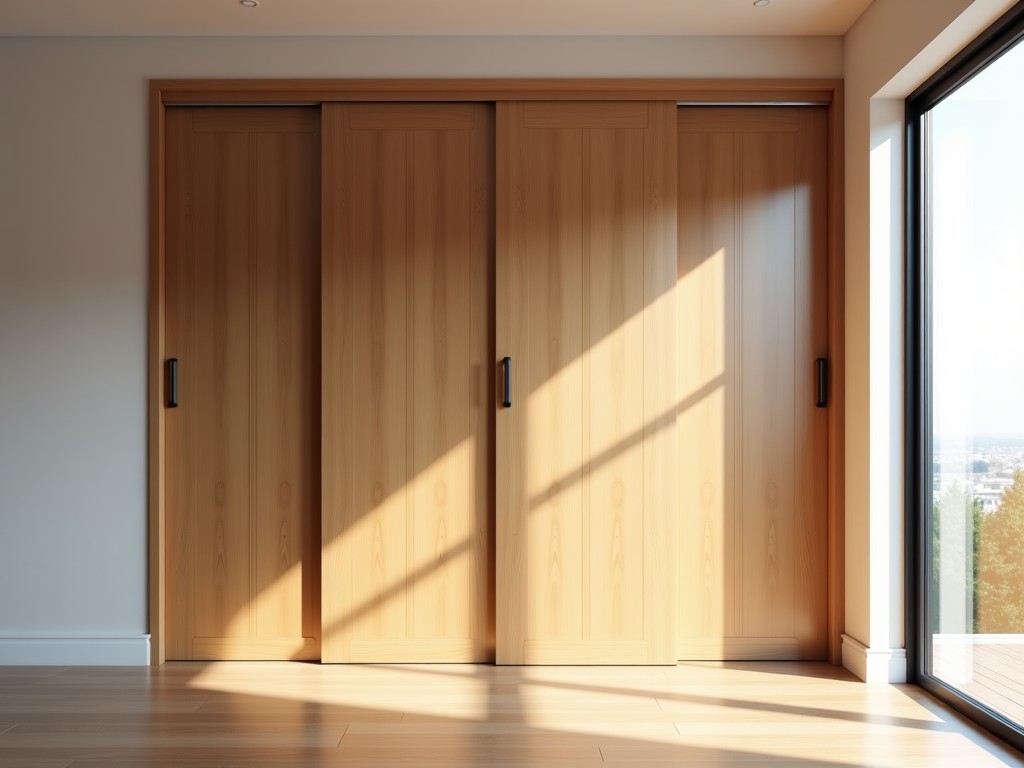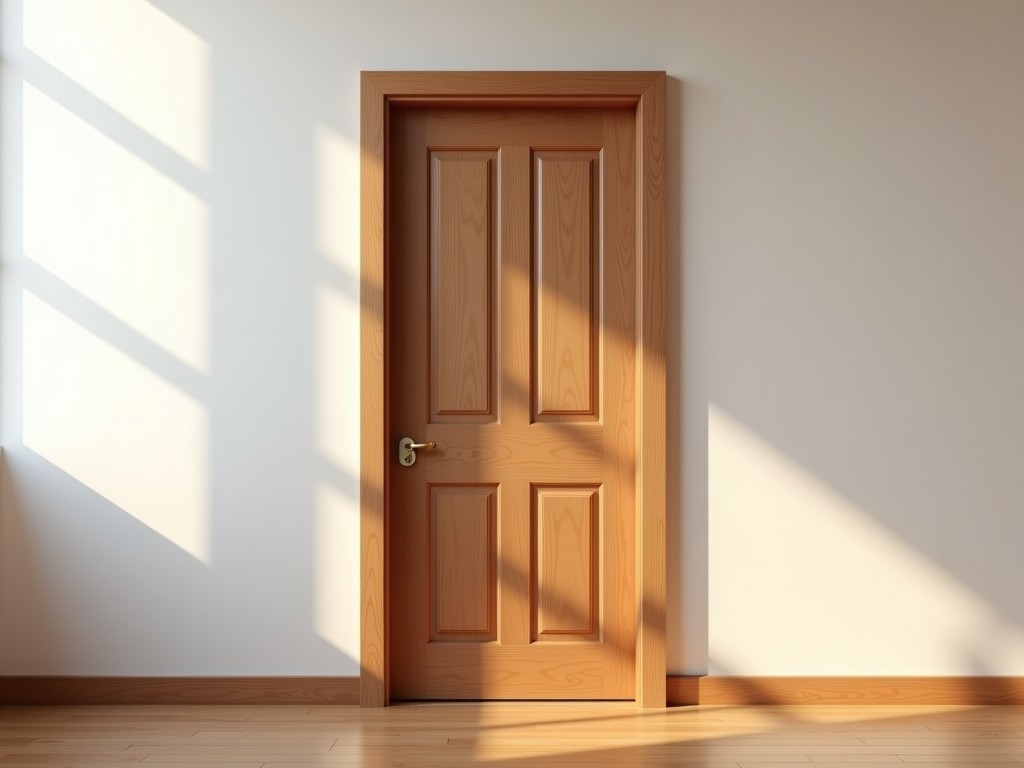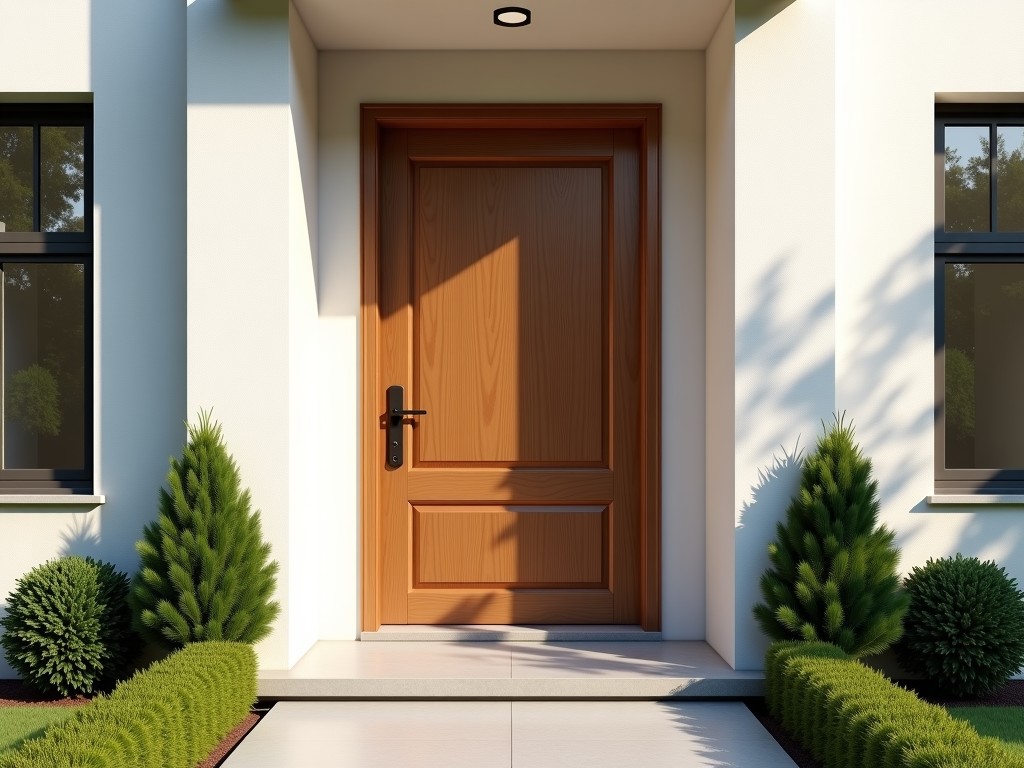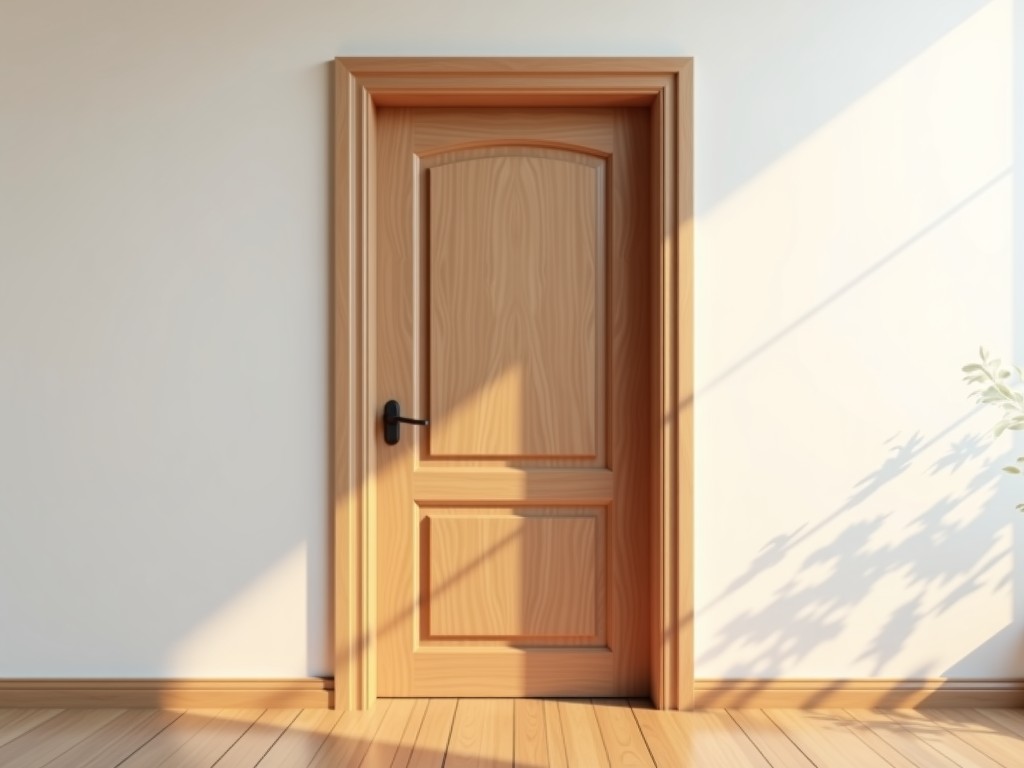
Painted Wooden Doors Supplier
Painted Wooden Doors Supplier
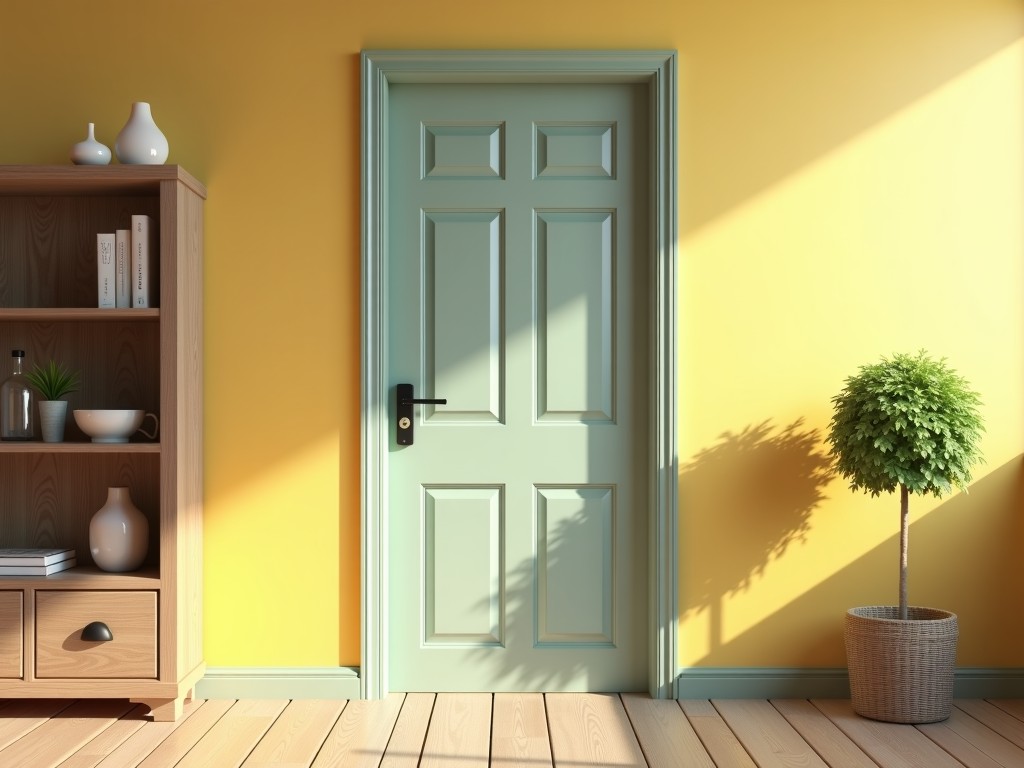
Painted Wooden Doors Supplier
For industrial facilities, commercial buildings, and OEM applications requiring durable, aesthetically consistent door solutions, painted wooden doors offer a balance of natural material performance and protective finish engineering. Selecting the right supplier involves evaluating not just appearance, but substrate stability, coating adhesion, environmental resistance, and dimensional control under varying humidity and use conditions.
Material Selection and Substrate Stability
The performance of a painted wooden door begins with the core material. Common substrates include poplar, pine, MDF, and engineered wood composites, each selected based on intended use, environmental exposure, and machining requirements. Poplar offers a fine, uniform grain ideal for smooth paint finishes and is frequently used in interior commercial applications due to its low tendency to warp. Pine provides cost-effective structural strength but requires careful drying to minimize movement. MDF delivers exceptional surface consistency for precision painting but is limited to dry, interior environments unless specially treated. Engineered options like LVL or particleboard with moisture-resistant additives are used in high-humidity zones such as laundry facilities or coastal installations.
Critical to long-term performance is substrate moisture content, typically maintained between 8–12% depending on regional equilibrium conditions. Suppliers using kiln-dried lumber with inline moisture testing reduce post-installation warping, sticking, or finish cracking. Buyers should confirm whether the supplier monitors moisture content at multiple stages — from raw lumber intake to final pre-finishing — as this directly impacts field reliability.
Paint System Engineering and Environmental Resistance
The painted finish is not merely cosmetic; it functions as a protective barrier against moisture, UV exposure, abrasion, and chemical cleaning agents. Industrial-grade systems typically employ a multi-layer approach: primer, intermediate coat, and topcoat, each formulated for specific adhesion and flexibility properties. Water-based acrylics are common in low-VOC environments like schools and hospitals, offering good flexibility and ease of touch-up. Polyurethane and catalyzed polyester systems provide higher hardness and chemical resistance, suitable for laboratories, kitchens, or industrial washdown areas.
Adhesion testing (per ASTM D3359) and flexibility mandrel bend tests ensure the coating withstands substrate movement without cracking. For exterior or semi-exterior applications, UV stabilizers and mildewcides are incorporated into the topcoat to prevent chalking and biological growth. Suppliers should provide data on expected fade resistance (measured in ΔE units under QUV exposure) and salt spray performance (ASTM B117) when doors are specified for coastal or high-humidity zones.
Dimensional Control and Manufacturing Consistency
In OEM and production-line applications, door dimensional consistency affects frame alignment, hardware installation, and operational smoothness. Leading suppliers use CNC-guided saws, routers, and sanders to maintain tight tolerances on thickness (±0.5 mm), width and height (±1.5 mm), and squareness (<1 mm diagonal difference). Edge profiling is calibrated to ensure uniform reveal and consistent hardware prep locations for hinges, locks, and closers.
Panel-to-frame joinery — whether cope-and-stick, mortise-and-tenon, or floating panel systems — is designed to accommodate seasonal wood movement while maintaining paint film integrity. Floating panels, for example, allow expansion/contraction without stressing the coating, reducing the risk of joint cracking. Suppliers using automated assembly jigs and clamped drying cycles improve repeatability across large production runs.
Typical Specifications
| Attribute | Typical Range / Option |
|---|---|
| Door Thickness | 35 mm, 40 mm, 45 mm (customizable) |
| Leaf Width | 600–900 mm (single leaf); up to 1200 mm (double leaf) |
| Leaf Height | 1800–2400 mm (standard); up to 3000 mm (special order) |
| Substrate Material | Poplar, Pine, MDF, Engineered Wood (project-dependent) |
| Paint System | Primer + 2K Topcoat (Acrylic, PU, Polyester) |
| Surface Finish | Matte, Satin, Semi-Gloss, Gloss (10–90 GU) |
| Edge Treatment | Square, Radius, Bullnose, PVC/ABS Edgebanding |
| Hardware Prep | CNC-drilled for hinges, locks, closers (per template) |
| Packaging | Individual polywrap + corner protectors + 5-ply carton or palletized |
Customization and OEM Support
Industrial buyers often require doors tailored to specific hardware layouts, fire ratings, acoustic performance, or integration with automated systems. Suppliers with in-house engineering teams can modify designs based on CAD drawings or BIM files, adjusting stile/rail widths, panel configurations, or cutouts for vision panels, grilles, or access controls. Fire-rated variants use intumescent seals and certified cores (e.g., mineral-based or gypsum) to meet 20-, 45-, or 60-minute ratings per NFPA 80 or EN 1634-1.
Acoustic performance is improved through core damping materials, perimeter seals, and increased mass — relevant for meeting STC ratings in office partitions, conference rooms, or healthcare suites. For OEMs producing modular wall systems or prefabricated units, suppliers offering just-in-time delivery, kitting, and drop-shipping to assembly lines reduce on-site handling and storage needs.
Minimum order quantities for custom designs typically start at 50–100 units, depending on tooling requirements. Sample units are available for approval, allowing validation of finish color, texture, and operational function before full production.
Quality Control and Inspection
Consistent quality begins with incoming material inspection — checking for knots, splits, moisture content, and dimensional accuracy. During production, in-process checks monitor sanding depth, coating thickness (via wet film gauges), and edge coverage. Final inspection includes visual assessment under standardized lighting (5000K, CRI >80), operation testing (open/close cycles), and adhesion verification via tape test.
Packaging is evaluated for edge protection and moisture barrier integrity, especially for export shipments. Suppliers using desiccant packs and humidity-indicating cards help mitigate transit-related moisture shifts. Buyers should request inspection reports or third-party verification options when specification compliance is critical to project acceptance.
Lead Time and Supply Stability
Lead times vary based on material availability, customization complexity, and current production load. Standard painted doors in common sizes and finishes typically ship within 3–4 weeks. Custom designs, fire-rated cores, or special color matching may extend lead time to 6–8 weeks. Suppliers with buffered stock of kiln-dried lumber and pre-mixed paint batches can reduce variability in scheduling.
For ongoing projects, establishing a blanket order or release schedule helps stabilize supply and lock in pricing. Transparent communication about production capacity, material sourcing, and potential delays — especially for imported veneers or specialty resins — supports better project planning.
Share your project specifications, drawings, or performance requirements with our engineering team to receive a detailed, customized proposal.