Raised Panel Door Supplier
Raised Panel Door Supplier
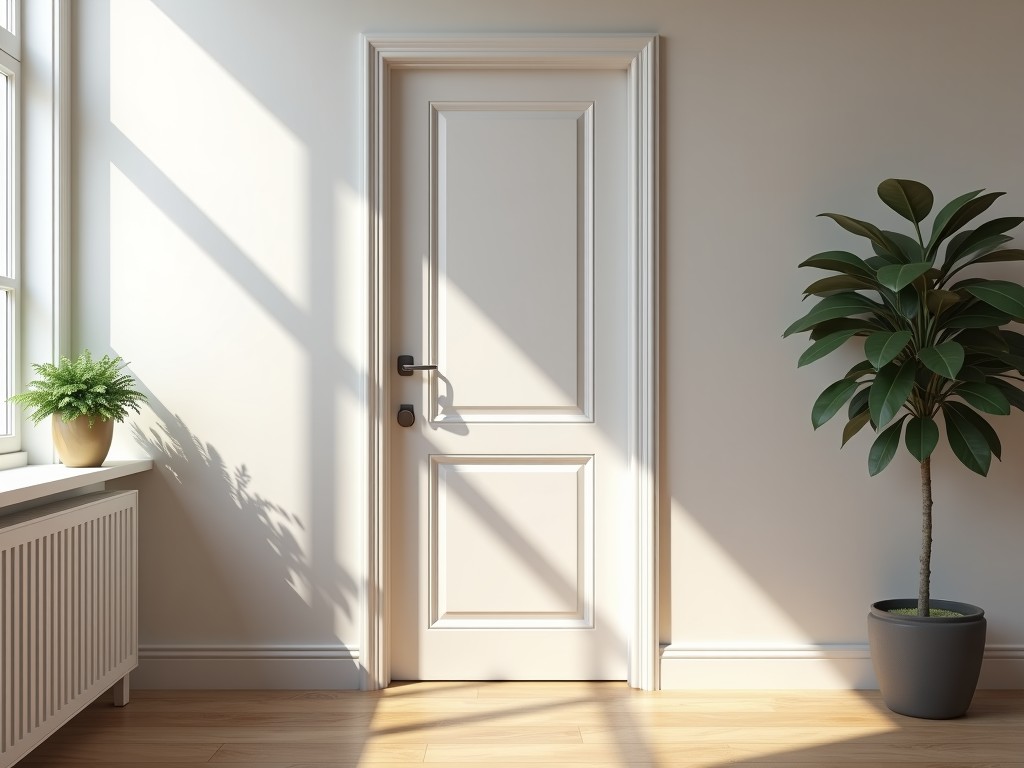
Raised Panel Door Supplier – Precision Wood Components for Industrial Applications
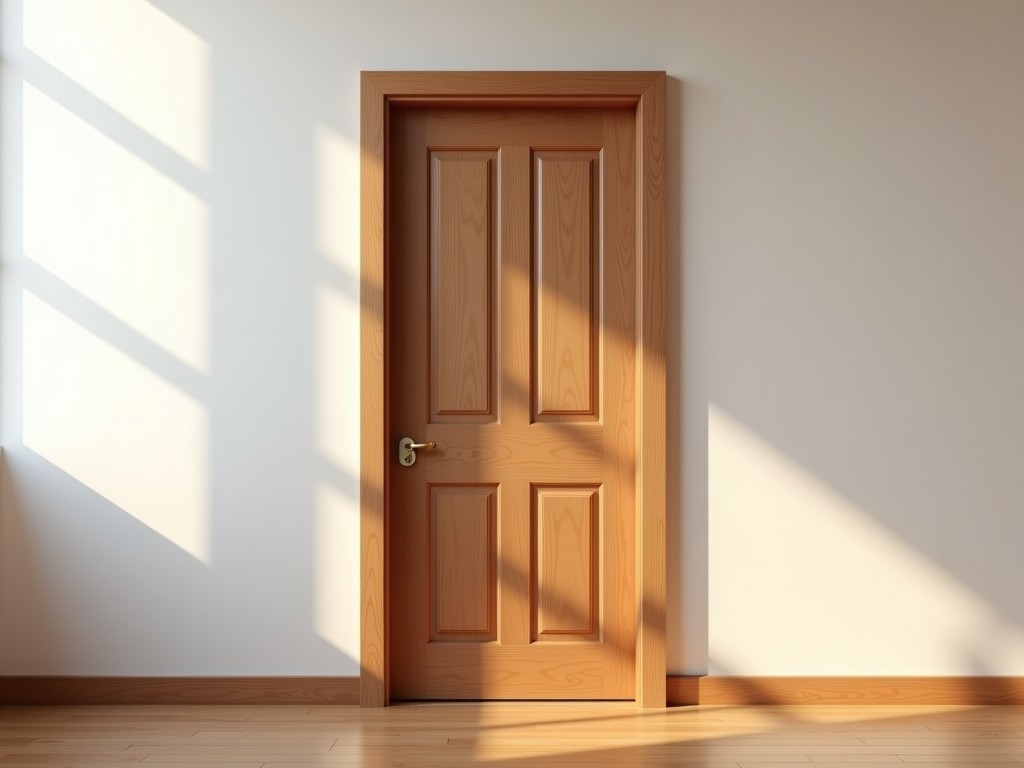
When selecting a raised panel door supplier, industrial buyers prioritize dimensional stability, material consistency, and repeatable tolerances across production runs. These components are commonly used in cabinetry, architectural millwork, and specialty enclosures where visual alignment and long-term performance under varying humidity and temperature conditions are critical. A reliable supplier must understand how wood species, grain orientation, and panel thickness influence warp resistance and surface integrity over time.
Material Selection and Dimensional Stability
The performance of raised panel doors begins with material choice. Hardwoods like maple, oak, and cherry are frequently selected for their density and machining characteristics, while engineered options such as MDF or plywood cores with veneer faces offer improved stability in environments with fluctuating moisture levels. Each material responds differently to machining stresses and environmental exposure—maple, for example, exhibits minimal movement tangentially but requires careful drying to prevent internal checks, whereas MDF provides uniform density but lacks the repairability of solid wood.
Panel thickness typically ranges from 1/2" to 3/4", with thicker panels offering greater resistance to deflection in tall door applications. However, increased thickness also raises machining demands and tool wear, particularly during profile cutting and sanding. Suppliers must balance these factors based on the intended door size, hinge load, and finish system to avoid post-installation issues like sagging or joint separation.
Manufacturing Process and Tolerance Control
Precision in raised panel production depends on consistent tooling, calibrated feed rates, and environmental control during machining. CNC routers and shapers are used to cut the raised profile, with tolerances typically held to ±0.005" on depth and width for high-repeatability applications. Variations beyond this range can lead to uneven reveals, poor frame alignment, or excessive sanding requirements—increasing labor costs and risking finish defects.
To maintain consistency, leading suppliers implement in-process checks using laser gauges or touch probes after profiling, especially when running multiple shifts or changing tooling. Dust extraction and climate-controlled storage between machining and finishing stages further reduce the risk of surface contamination or moisture-induced movement. These controls are essential when supplying OEMs who require interchangeable parts across production batches.
Typical Specifications
| Parameter | Typical Range | Notes |
|---|---|---|
| Panel Thickness | 12mm – 19mm (1/2" – 3/4") | Selected based on door height and load requirements |
| Profile Depth | 3mm – 8mm | Affects visual prominence and machining time |
| Width Tolerance | ±0.13mm (±0.005") | Critical for frame alignment and reveal consistency |
| Length Tolerance | ±0.25mm (±0.010") | Less critical but impacts joint fit in stile-and-rail assembly |
| Surface Roughness (Ra) | 1.6 – 3.2 µm | Achieved via sanding grit progression; affects finish adhesion |
Customization and OEM Support
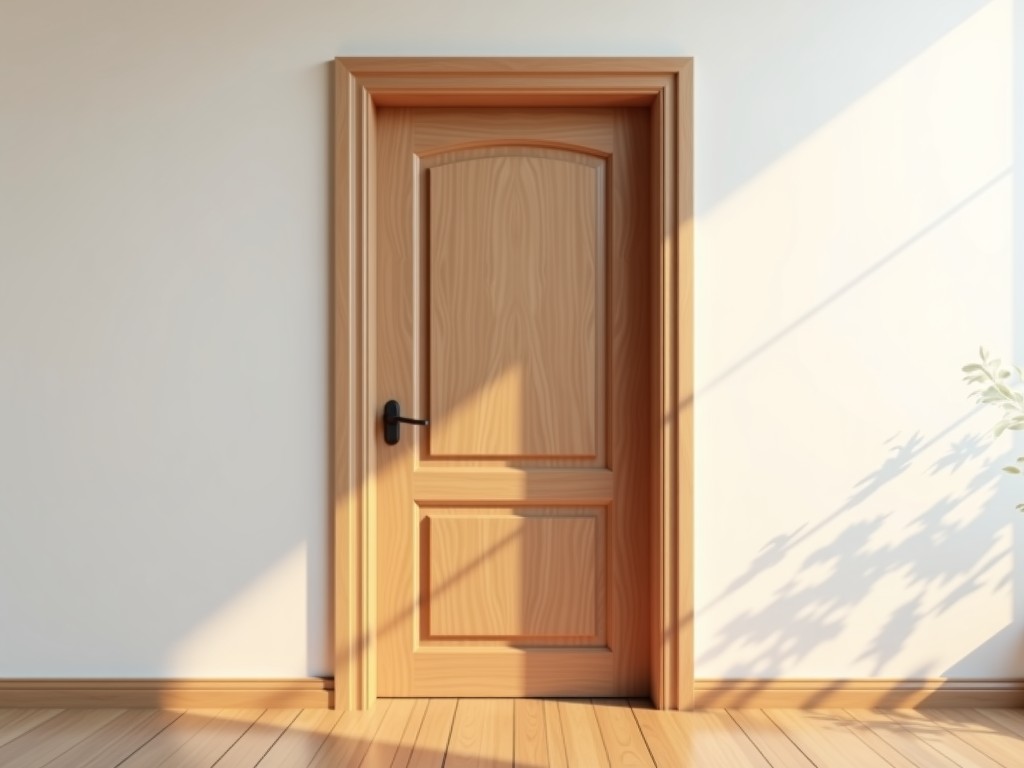
Industrial buyers often require raised panel doors that match existing designs or integrate with proprietary frame systems. Suppliers capable of working from customer drawings, CAD files, or physical samples can replicate complex profiles, including arched tops, applied mouldings, or multi-step raises. Tooling lead times and minimum order quantities vary depending on profile complexity and material—simple profiles may require minimal setup, while intricate designs demand custom cutter fabrication and validation runs.
For OEMs, consistency across batches is non-negotiable. This requires not only precise machining but also documented material lot traceability and finish compatibility testing. Some suppliers offer pre-finishing options such as primer application or UV sealing to reduce downstream labor, though this introduces additional variables in adhesion and flex resistance that must be evaluated per finish system.
Packaging, Logistics, and Quality Assurance
Protection during transit is critical, as raised panel doors are susceptible to edge chipping, face scratching, and warp from uneven stacking or environmental exposure. Effective packaging includes individual sleeving, corner guards, and flat palletizing with moisture-barrier layers. For long-haul or international shipments, climate-controlled containers and desiccant packs help maintain equilibrium moisture content, reducing the risk of post-delivery movement.
Quality assurance extends beyond dimensional checks. Visual inspection under standardized lighting identifies surface defects like tear-out, burn marks, or inconsistent grain fill. Some suppliers conduct cycle testing on hinge and lock prep areas to validate durability under simulated use. These practices reduce field failures and support warranty claims, particularly in high-volume architectural or furniture production lines.