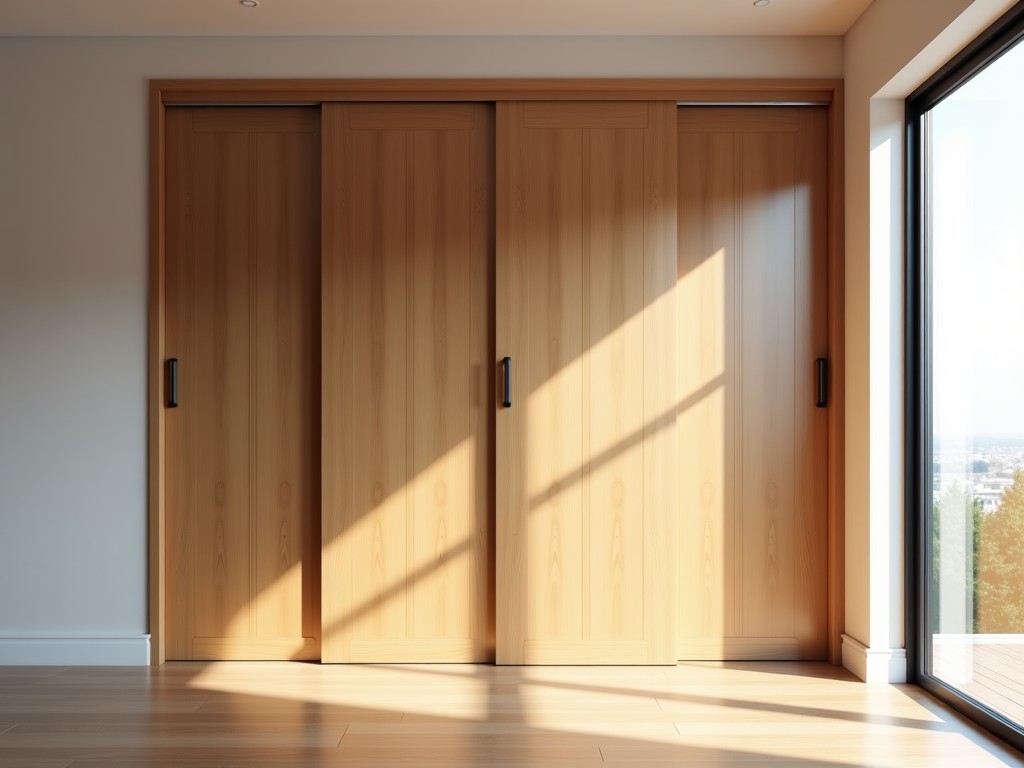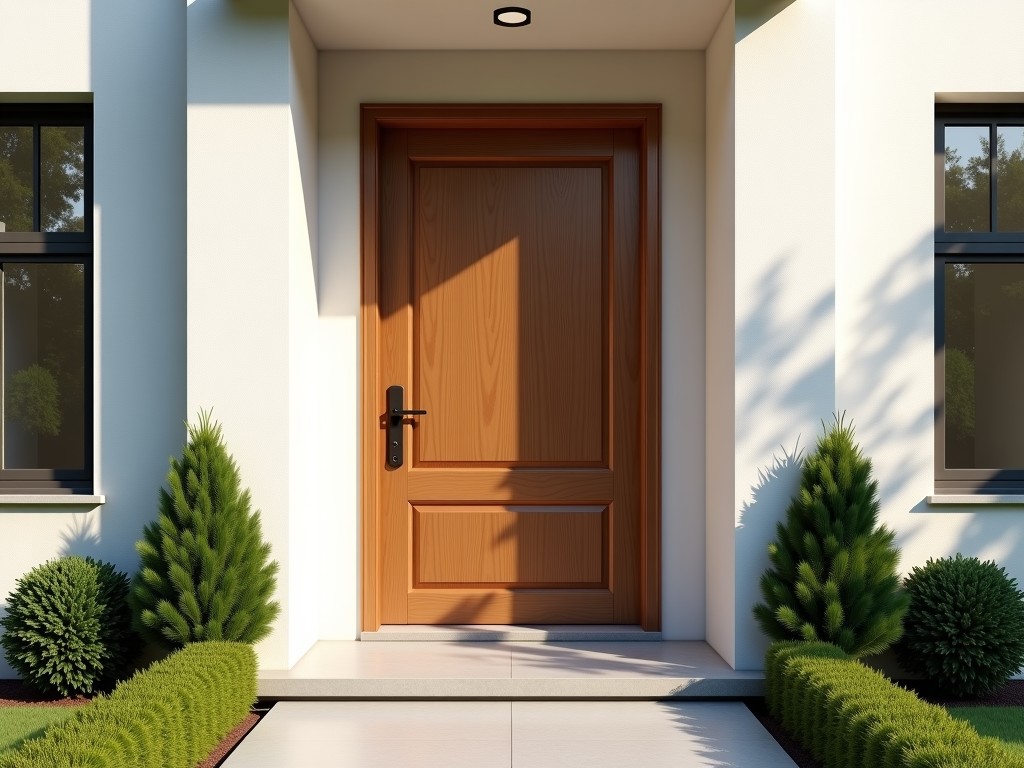
Timber Doors With Veneer Flush Design B2B Supplier
Timber Doors With Veneer Flush Design B2B Supplier
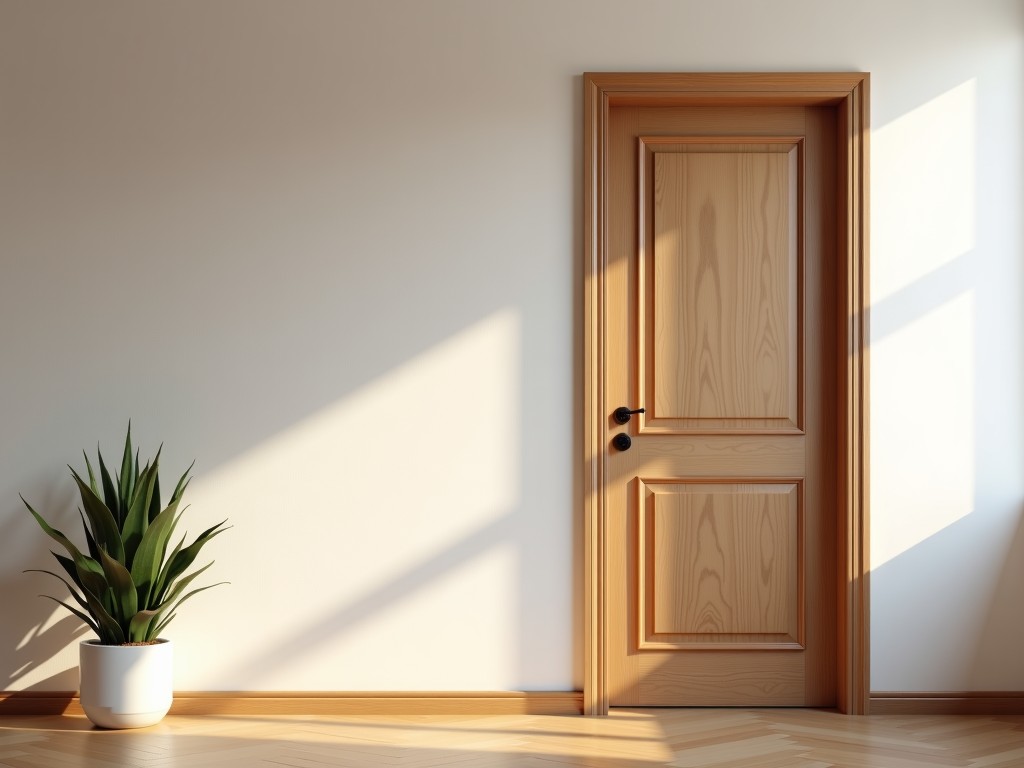
Timber Doors with Veneer Flush Design
In architectural and interior construction projects, flush veneer doors are frequently selected when a seamless, uniform surface is required without visible paneling or framing. These doors provide a smooth substrate suitable for high-quality wood veneer application, enabling consistent aesthetics across large installations while maintaining dimensional stability under varying environmental conditions. Unlike stile-and-rail constructions, flush designs minimize joints that can compromise appearance or performance over time, making them ideal for applications where visual continuity and long-term surface integrity are priorities.
Material Selection and Core Construction
The performance of a veneer flush door begins with its core material, which directly influences weight, stability, screw holding strength, and resistance to warping. Common core options include particleboard, MDF, and laminated veneer lumber (LVL), each selected based on the door’s intended use. Particleboard cores offer cost-effective dimensional stability for interior applications with limited humidity exposure, while MDF provides a uniform, smooth surface ideal for thin veneer adhesion and paint-grade finishes. LVL cores are preferred in high-traffic or load-bearing scenarios due to their superior strength-to-weight ratio and resistance to sagging over extended spans.
Veneer species are chosen not only for appearance but also for compatibility with adhesives and finishing systems. Hardwood veneers such as oak, maple, walnut, and cherry are commonly used, with thickness typically ranging from 0.6mm to 1.2mm. Thicker veneers allow for greater sanding tolerance during refinishing cycles, while thinner options reduce material cost and weight. Cross-banding or balancing layers may be applied to the reverse side to counteract moisture-induced movement, ensuring the door remains flat and true throughout its service life.
Manufacturing Process and Quality Control
Production begins with precise core cutting to specified dimensions, followed by sanding to achieve the required surface roughness for optimal adhesive bonding. Veneer sheets are then applied using either cold press or hot press techniques, depending on the adhesive system and production volume. Hot pressing activates thermosetting resins, creating a durable bond resistant to delamination under cyclic humidity changes. After pressing, doors undergo trimming, edge banding (if applicable), and sanding to prepare for finishing or direct veneer exposure.
Quality checks are integrated at multiple stages: core density and moisture content are verified before pressing, adhesive spread rate is monitored during application, and post-press inspections assess bond integrity, surface flatness, and veneer alignment. Any deviation beyond specified tolerances — such as telegraphing of core imperfections or uneven veneer layup — triggers rework or rejection. Final inspection includes visual grading for color consistency, grain matching, and surface defects, ensuring only doors meeting architectural standards proceed to packaging.
Typical Specifications
| Parameter | Typical Range |
|---|---|
| Core Thickness | 30mm – 45mm |
| Overall Thickness | 35mm – 50mm |
| Width | 600mm – 900mm (customizable) |
| Height | 1900mm – 2400mm (customizable) |
| Veneer Thickness | 0.6mm – 1.2mm |
| Moisture Content (at delivery) | 8% – 12% |
| Flatness Tolerance | ≤ 2mm over 1m length |
| Edge Banding Options | Veneer, PVC, ABS, or solid wood (matching or contrasting) |
Application Scenarios
Flush veneer doors are widely specified in commercial office buildings, healthcare facilities, educational institutions, and hospitality environments where a clean, modern aesthetic is required alongside durability and ease of maintenance. In office interiors, they support open-plan designs by providing visual continuity between adjacent spaces, reducing visual clutter caused by paneling or molding. In healthcare settings, their smooth surfaces minimize crevices where contaminants can accumulate, supporting infection control protocols when paired with appropriate finishes.
In residential high-end projects, these doors are used to achieve a minimalist, high-end look that complements custom millwork and flooring selections. Architects often specify them in conjunction with concealed hinges and magnetic latches to maintain a flush, uninterrupted plane across the door opening. Their compatibility with both clear finishes and opaque paints allows flexibility in design execution, whether the goal is to showcase natural wood grain or match a specific color palette from an interior scheme.
Customization and OEM Support
Customization extends beyond dimensions to include core composition, veneer species and cut (plain sliced, quartered, rift), edge treatment, and pre-drilling for hardware. For OEM clients producing furniture systems or modular wall assemblies, doors can be supplied with integrated hinge plates, strike reinforcements, or acoustic seals pre-installed to reduce on-site labor. Fire-rated variants are available upon request, utilizing fire-retardant core materials and intumescent edge seals to meet required safety classifications.
Packaging is tailored to destination and handling requirements: doors are typically stacked with protective interleaving, corner guards, and stretch-wrapped on pallets for secure transit. Export packaging includes moisture barriers and phytosanitary-compliant materials when required. Lead times depend on core availability, veneer selection, and order volume, with standard configurations typically available faster than fully customized specifications involving rare species or special core treatments.
Selection Considerations
When evaluating flush veneer doors, project teams should assess the environmental conditions of the installation site — particularly relative humidity fluctuations — as this impacts long-term dimensional stability. Doors intended for humid climates or wet areas (such as bathrooms or kitchens) benefit from balanced construction and moisture-resistant cores. For high-impact areas, edge protection and core density become critical factors in preventing denting or delamination.
It is also advisable to request sample doors or production panels to verify veneer color, grain consistency, and finish compatibility before full-scale procurement. This allows design teams to confirm aesthetic alignment and installation teams to assess workability, including sanding, cutting, and fastening characteristics. Clear communication of finish intentions (e.g., pre-finished vs. field-finished) ensures that the supplied product matches downstream processing expectations.
To discuss your project requirements, share your specifications or drawings for a customized proposal. Our engineering team can assist with material selection, tolerance confirmation, and logistics planning to ensure the doors meet your performance and aesthetic goals.