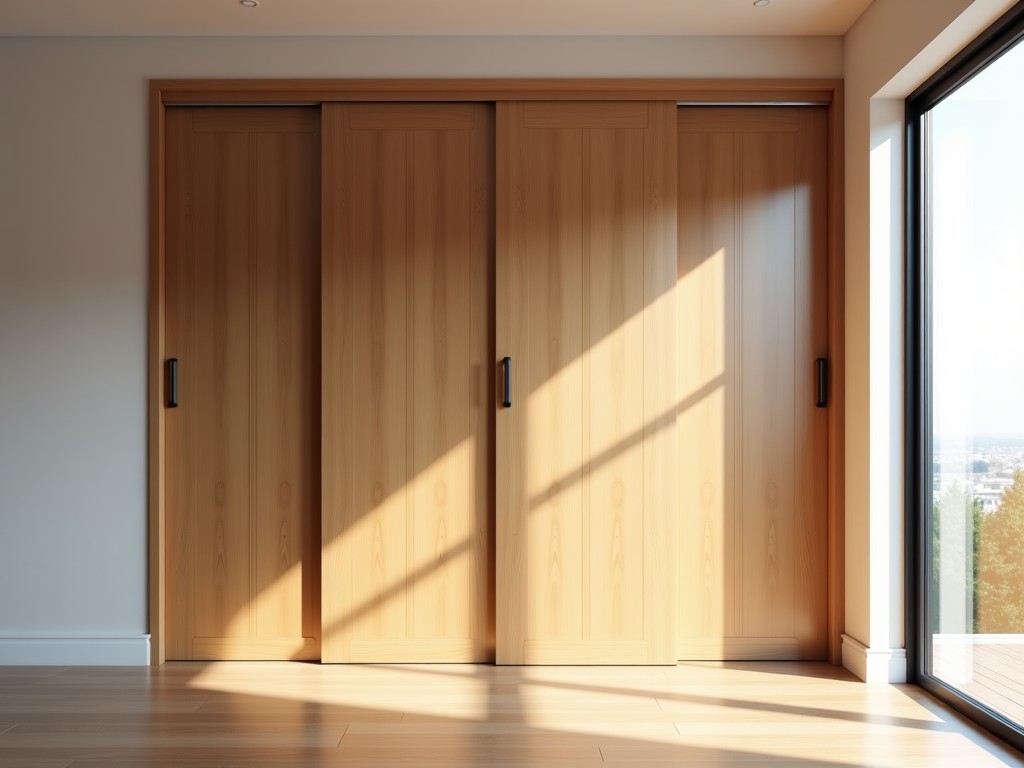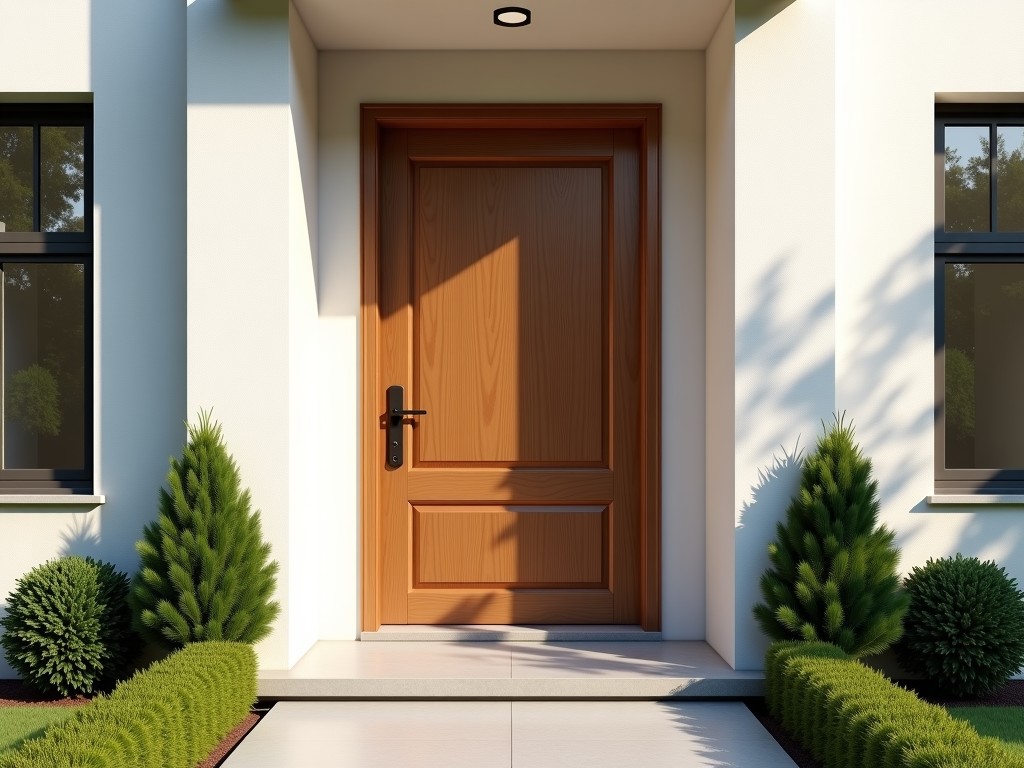
Timber Look Aluminium Doors For Villa Entrance B2B Supplier
Timber Look Aluminium Doors For Villa Entrance B2B Supplier
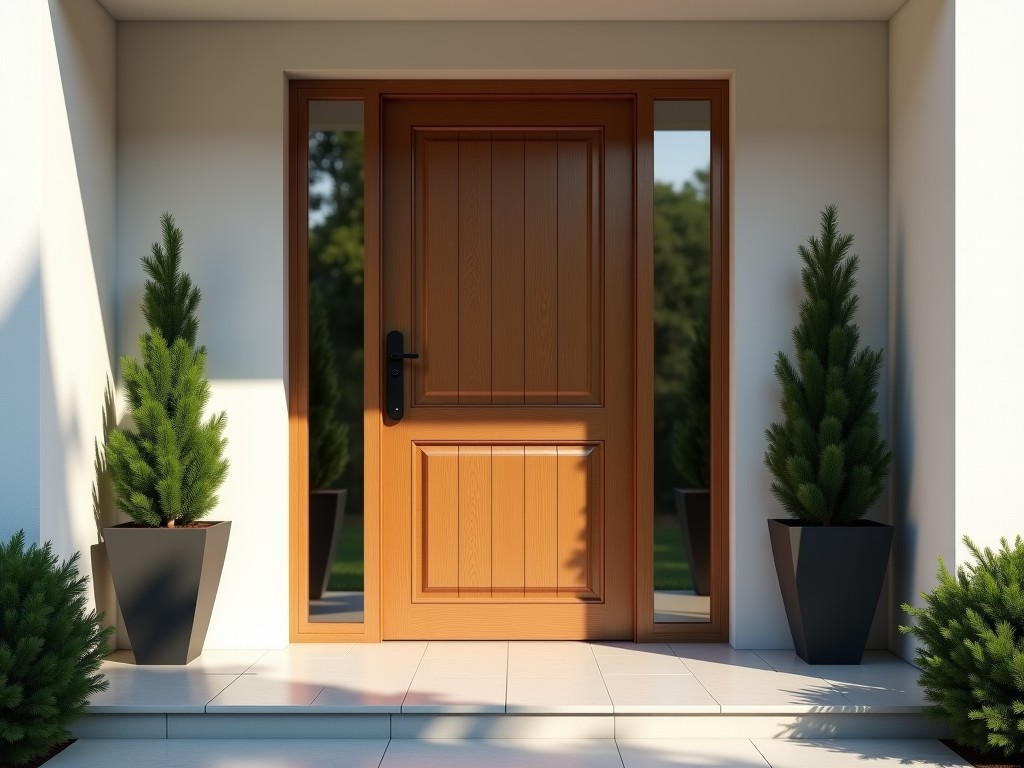
Timber Look Aluminium Doors for Villa Entrance
For high-end residential projects where visual warmth and long-term durability must coexist, timber look aluminium doors provide a solution that meets both architectural intent and performance requirements. Unlike solid timber, which requires regular maintenance and is susceptible to warping, rot, and insect damage in varying climates, these doors use powder-coated aluminium extrusions with a wood-grain finish to replicate the aesthetic of natural wood while inheriting the stability, strength, and low maintenance of metal systems. This approach is particularly relevant for villa entrances exposed to direct sunlight, humidity, or coastal conditions where traditional wood doors may degrade prematurely.
Material Selection and Surface Finish
The door frames and panels are constructed from 6063-T5 aluminium alloy, chosen for its balance of extrudability, mechanical strength, and corrosion resistance. The timber appearance is achieved through a sublimation process where a decorative foil with a wood-grain pattern is transferred onto the powder-coated surface under heat and pressure. This method creates a durable, UV-resistant finish that does not peel, fade, or chalk under prolonged sun exposure — critical for entrance applications where doors face direct weathering. The coating system typically meets Qualicoat or equivalent standards, ensuring adhesion and color stability over time.
Structural Design and Performance Characteristics
These doors are engineered as either hinged or pivot systems, depending on the opening size and design preference. For standard villa entrances, hinged configurations with multi-point locking systems are common, providing enhanced security and weather sealing. The frame depth typically ranges from 60mm to 90mm, accommodating double or triple glazing units with thermal breaks to reduce heat transfer. When paired with low-E glass and warm-edge spacers, the overall U-value can reach as low as 1.4 W/m²K, contributing to energy efficiency goals in sustainable residential design.
Typical Specifications
| Parameter | Typical Range |
|---|---|
| Frame Material | 6063-T5 Aluminium Alloy |
| Frame Depth | 60–90 mm |
| Panel Thickness | 40–60 mm (including glazing) |
| Glazing Options | Double or triple glazed units, 24–48 mm |
| Surface Finish | Sublimated wood grain over powder coat (Qualicoat compliant) |
| Hardware Compatibility | Multi-point locks, concealed hinges, door closers |
| Operating Wind Load | Up to 2000 Pa (tested to EN 12210) |
| Air Permeability | Class 4 (EN 12207) |
| Water Tightness | Class 5A (EN 12208) |
Customization and Design Flexibility
The timber look finish is not limited to a single wood species. Common options include oak, walnut, teak, and cherry, each available in multiple stain variations to match interior or exterior design schemes. Custom colors and grain patterns can be developed upon request, allowing architects to achieve specific visual outcomes — such as a weathered oak for a rustic villa or a smooth walnut for a contemporary facade. Sidelights, toplights, and integrated glazing bars can be incorporated into the same system, maintaining visual consistency across the entrance assembly. Hardware finishes — such as brushed stainless, matte black, or antique bronze — are selected to complement the chosen wood tone.
Installation and Integration Considerations
Proper installation is critical to long-term performance. The frame must be square and plumb within tolerances specified in EN 12400, typically ±2 mm over the height and width of the opening. Shimming and anchoring methods should accommodate thermal movement of the surrounding structure, particularly in masonry or concrete openings. Sealants used at the perimeter must be compatible with both the aluminium finish and the substrate — neutral-cure silicones are commonly recommended to avoid staining or corrosion. For coastal environments, additional protection such as marine-grade sealants or upgraded powder coatings may be advised based on project location and exposure level.
Maintenance and Lifecycle Expectations
One of the primary advantages of timber look aluminium doors over natural wood is the minimal maintenance required. The finish does not need sanding, staining, or sealing. Routine cleaning with mild soap and water is sufficient to remove dirt and pollutants. In industrial or urban environments, periodic inspection of gaskets, drainage channels, and hardware is recommended to ensure continued weather sealing and smooth operation. Unlike timber, which may require refinishing every 3–5 years depending on exposure, these doors retain their appearance and functionality for 20+ years under normal conditions, reducing lifecycle cost and disruption.
Quality Control and Testing
Manufacturers typically conduct in-line inspections during extrusion, coating, and assembly to verify dimensional accuracy, surface integrity, and adhesion of the sublimated finish. Finished doors are subject to cycle testing (opening/closing operations), water spray tests, and air infiltration checks to confirm compliance with performance standards. While specific test reports are project-dependent, adherence to EN standards for windows and doors is standard practice. Buyers can request documentation such as mill certificates for aluminium, coating compliance reports, and test summaries as part of the submittal process.
For villa projects where entrance doors must balance aesthetic refinement with environmental resilience, timber look aluminium doors offer a technically sound alternative to traditional materials. By combining the dimensional stability of aluminium with advanced surface replication techniques, these systems address common pain points such as warping, maintenance frequency, and long-term degradation — without compromising on the desired visual character of natural wood.
Share your project drawings, elevation details, or performance requirements with our engineering team to receive a tailored proposal, including finish options, glazing configurations, and hardware selections suited to your villa’s specific conditions.