Wholesale Hotel Bathroom Door
Wholesale Hotel Bathroom Door
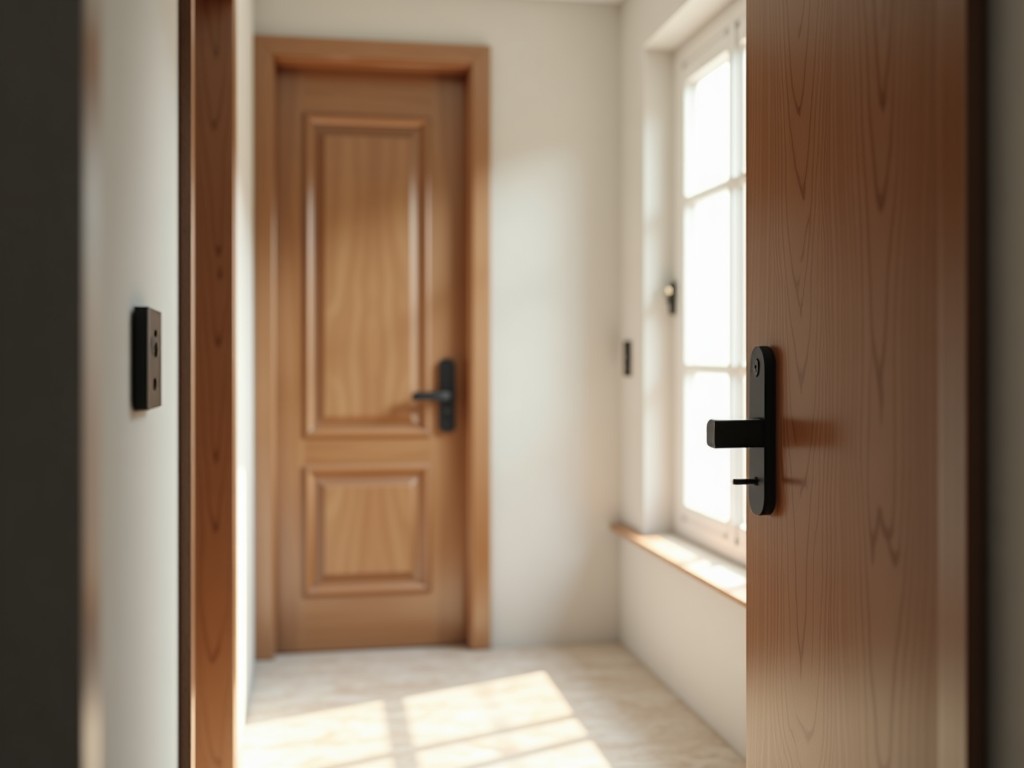
Hotel Bathroom Door Systems: Engineered for Durability and Hygiene in High-Traffic Environments
In hospitality environments, bathroom doors must withstand constant use, exposure to moisture, and frequent cleaning cycles while maintaining aesthetic alignment with interior design standards. Unlike residential applications, hotel bathroom doors face continuous operational stress from guest turnover, housekeeping activity, and varying humidity levels — factors that accelerate wear, warping, and hardware failure if not properly engineered. Selecting the right door system requires understanding material behavior under cyclic moisture exposure, hardware load distribution, and long-term maintenance implications.
Material Selection for Moisture Resistance and Structural Stability
The core challenge in hotel bathroom door design lies in balancing dimensional stability with resistance to water absorption, swelling, and delamination. Solid wood cores, while aesthetically pleasing, are prone to warping in high-humidity zones unless fully sealed and maintained — a maintenance burden incompatible with hotel operational schedules. Engineered alternatives such as moisture-resistant medium-density fiberboard (MR MDF) or polyvinyl chloride (PVC) laminated panels offer improved performance by minimizing water ingress through closed-cell structures and impermeable surface layers.
For applications requiring higher impact resistance — such as family suites or accessible rooms — high-pressure laminate (HPL) over phenolic cores provides superior surface hardness and resistance to scratches, impacts, and chemical cleaners. These composite systems maintain flatness within ±0.5 mm per meter under standard conditions, reducing binding risks in frames and ensuring consistent latch engagement over thousands of cycles. Surface finishes are selected not only for visual appeal but also for cleanability; non-porous coatings prevent microbial retention and allow disinfection without degradation.
Hardware Integration and Load-Bearing Considerations
Door performance in hotel bathrooms is heavily influenced by hardware selection and installation precision. Standard hinges rated for 20–30 kg door weights may fail prematurely under the dynamic loads of frequent slamming or misaligned frames. Heavy-duty ball-bearing hinges, typically rated for 40–50 kg with stainless steel pins, distribute load more effectively and resist corrosion in chloride-rich cleaning environments. Self-closing mechanisms, when required for accessibility or privacy compliance, must be calibrated to avoid excessive force that stresses the door stile or frame anchorage.
Locksets and privacy indicators undergo similar scrutiny. Mortise-style locks with stainless steel components and anti-microbial coatings are preferred over cylindrical types due to their superior resistance to lateral force and easier maintenance access. Strike plates must be reinforced to prevent pull-out in softer door edges, especially in PVC-laminated constructions where edge sealing is critical. All hardware mounting points should be reinforced with internal backers or metal plates to prevent pull-through under cyclic loading.
Typical Specifications and Dimensional Consistency
Dimensional tolerances directly affect installation speed, operational reliability, and long-term service life. Variations in thickness or width beyond ±1.5 mm can lead to inconsistent clearances, increased friction, or premature seal failure. Manufacturers tighten process controls during lamination and curing to maintain thickness uniformity within ±0.8 mm across production batches, ensuring compatibility with standard frame systems and reducing field adjustment time.
| Parameter | Typical Range | Notes |
|---|---|---|
| Door Thickness | 35–45 mm | Dependent on core material and laminate layers |
| Width (Single Leaf) | 600–900 mm | Custom widths available for accessible suites |
| Height | 1900–2100 mm | Standard heights align with typical frame systems |
| Weight (Per Unit) | 18–28 kg | Varies with core density and facing materials |
| Surface Flatness Tolerance | ±0.5 mm/m | Measured across face and edge under controlled conditions |
| Edge Sealing | PVC/ABS edge banding or polyurethane | Critical for moisture barrier in laminated constructions |
Customization Options for Brand Consistency and Functional Needs
Hotel chains often require door systems that reflect brand-specific design languages while meeting functional benchmarks. Surface finishes can be customized to match interior palettes using digital printing on HPL or melamine-faced panels, enabling replication of wood grains, stone textures, or solid colors without the maintenance drawbacks of natural materials. Laser-etched or engraved privacy indicators (e.g., “Occupied/Vacant”) integrate directly into the surface, eliminating protruding hardware that can snag linens or impede cleaning.
For renovated properties with non-standard frame depths, door thicknesses can be adjusted within production tolerances to avoid frame modification. Similarly, hinge and lock preparations are configured per project specifications — including European-style mortise preparations or ANSI-compliant strike locations — to reduce field labor and ensure compatibility with existing access control systems. Edge profiles (square, eased, or radiused) are selected based on cleaning protocols and impact risk in adjacent corridors.
Packaging, Logistics, and Damage Prevention in Transit
Even the most robust door system can suffer cosmetic or structural damage during shipping if packaging does not account for weight, edge vulnerability, and stacking behavior. Standard packaging includes individual wrapping in polyethylene film to prevent surface abrasion, followed by placement in double-wall corrugated cartons with corner protectors and edge buffers. For LCL shipments or long-haul transport, custom-fit foam inserts or honeycomb cardboard bracing prevent lateral shift and concentrated point loads that cause delamination or corner crushing.
Palletized units are stacked no higher than 1.2 meters to avoid compressive deformation of lower units, particularly in PVC-laminated constructions where sustained pressure can cause permanent set. Each pallet is stretch-wrapped and labeled with handling instructions — “Keep Dry,” “Do Not Stack Flat,” “Top Load Only” — to minimize moisture exposure and improper storage at destination warehouses. Moisture indicators inside packaging provide visual confirmation of environmental control during transit.
Installation and Long-Term Maintenance Considerations
Proper installation is as critical as product selection. Frames must be plumb and square within ±2 mm over the door height to prevent binding or uneven seal compression. Shims should be used sparingly and only at load-bearing points to avoid creating stress concentrations. After installation, a 24-hour settling period is recommended before applying final hardware torque to allow for minor frame adjustment under door weight.
Routine maintenance focuses on hardware lubrication (using silicone-based, non-attracting lubricants on hinges and lock mechanisms) and inspection of edge seals for lifting or cracking — early signs of moisture ingress. Surfaces should be cleaned with pH-neutral solutions; abrasive pads or chlorine-based cleaners can degrade laminates over time, especially at seams and edges. In high-turnover properties, annual inspections of hinge screws and strike plate alignment prevent gradual misalignment that leads to latch failure or privacy indicator malfunction.
Engineers and procurement teams evaluating hotel bathroom door systems should prioritize material stability under cyclic moisture exposure, hardware load ratings aligned with expected usage frequency, and edge protection strategies that prevent long-term degradation. Requesting sample units for accelerated humidity testing (e.g., 48 hours at 90% RH, 38°C) provides practical insight into real-world performance beyond datasheet claims.
For project-specific requirements — including fire-rated configurations, acoustic performance targets, or integration with smart room controls — consult our engineering team to review drawings, material options, and hardware compatibility. We provide detailed submittals, installation guides, and packaging specifications tailored to hotel renovation and new construction timelines.