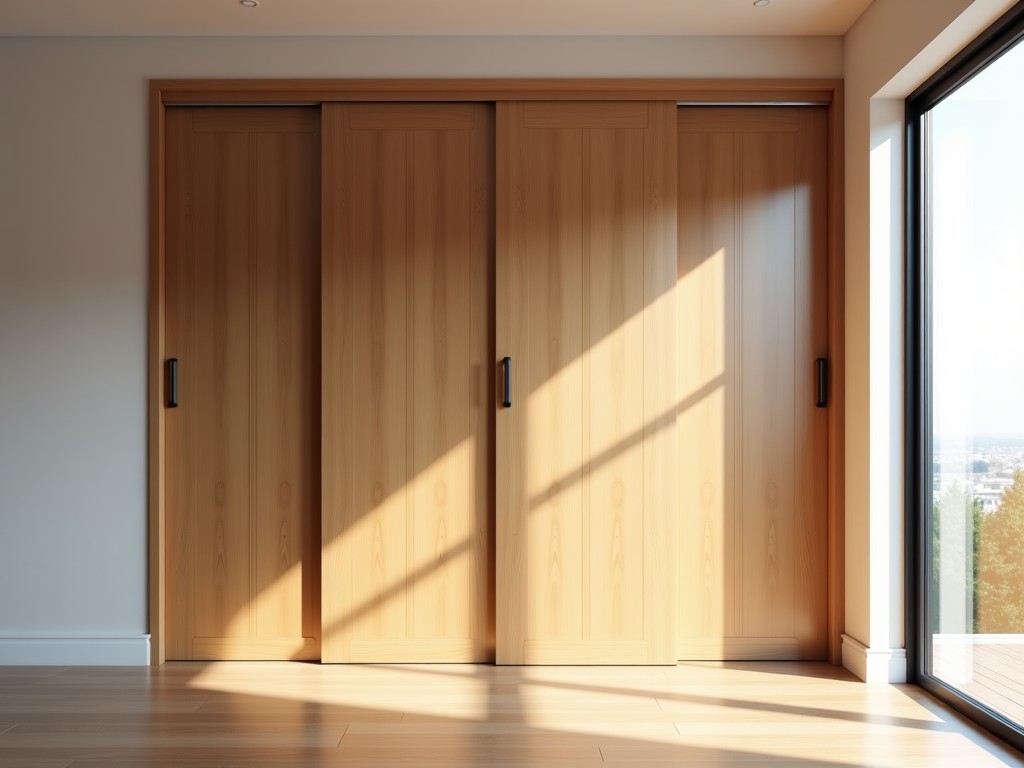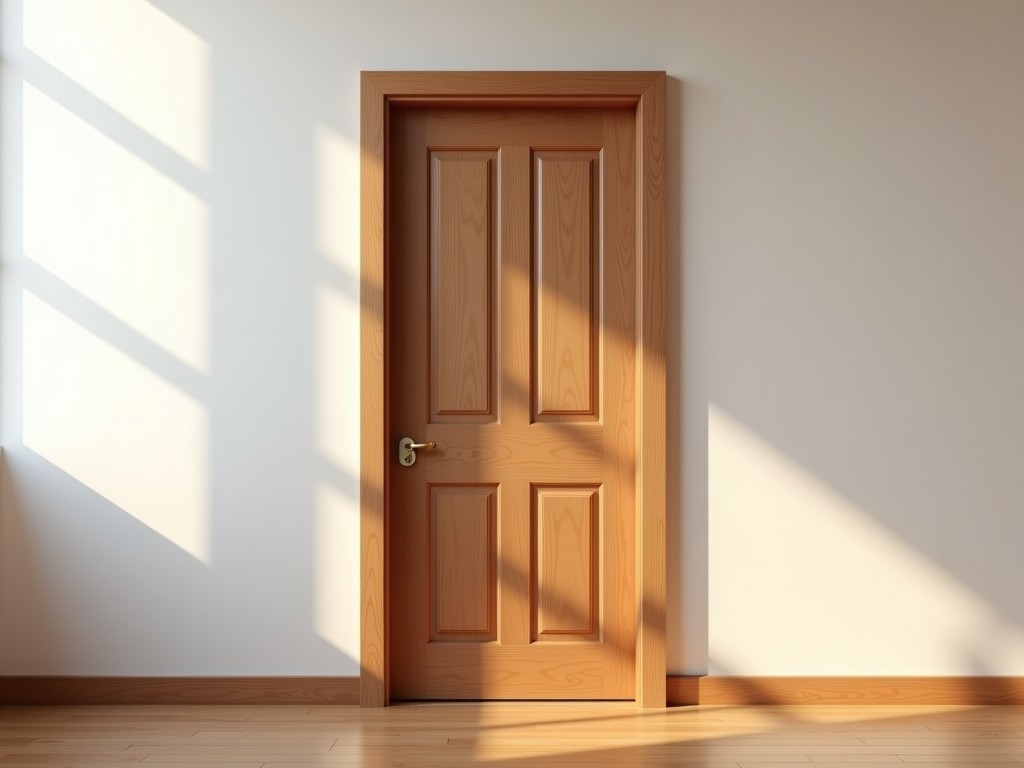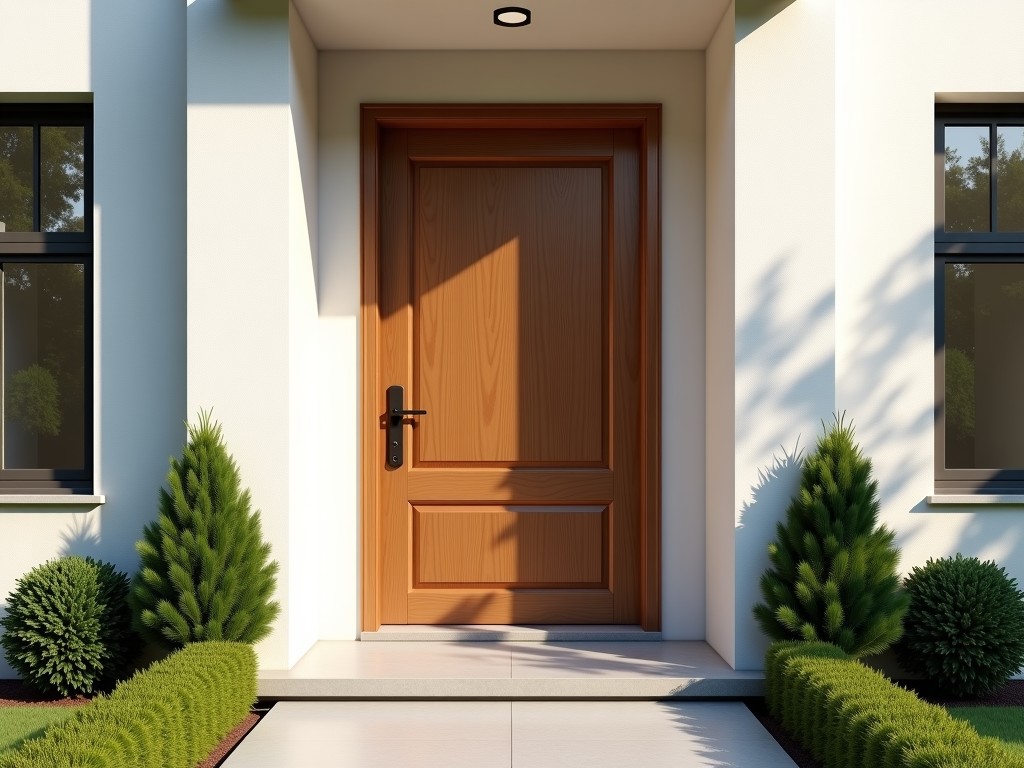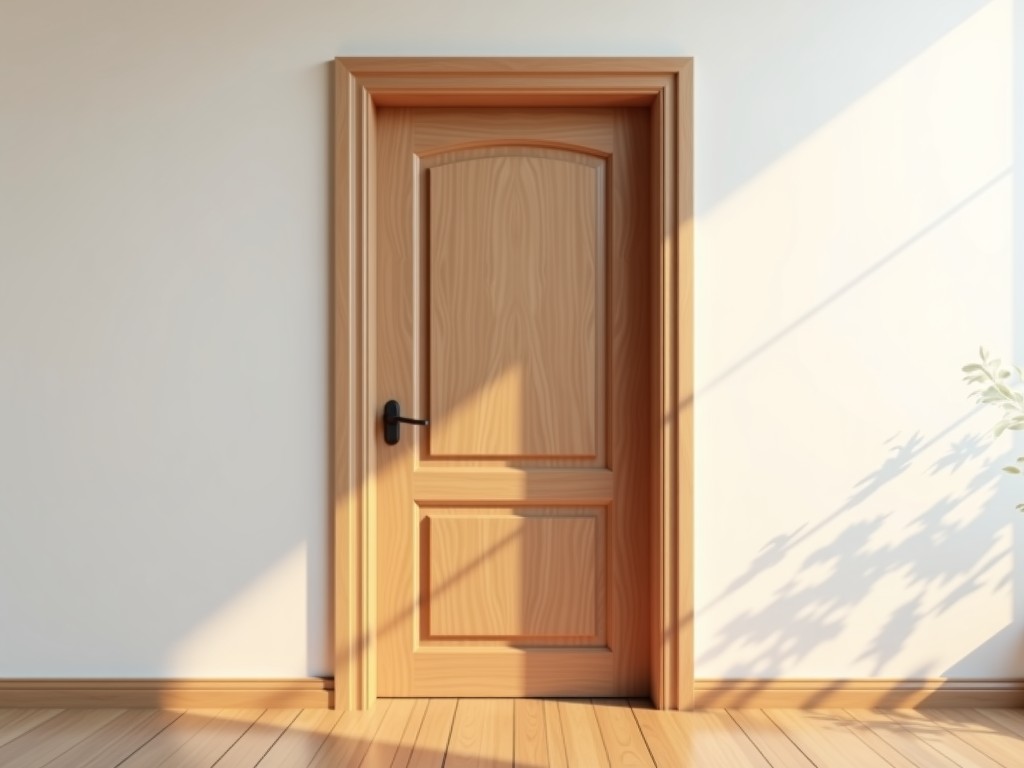
Wholesale Hotel Door Set
Wholesale Hotel Door Set
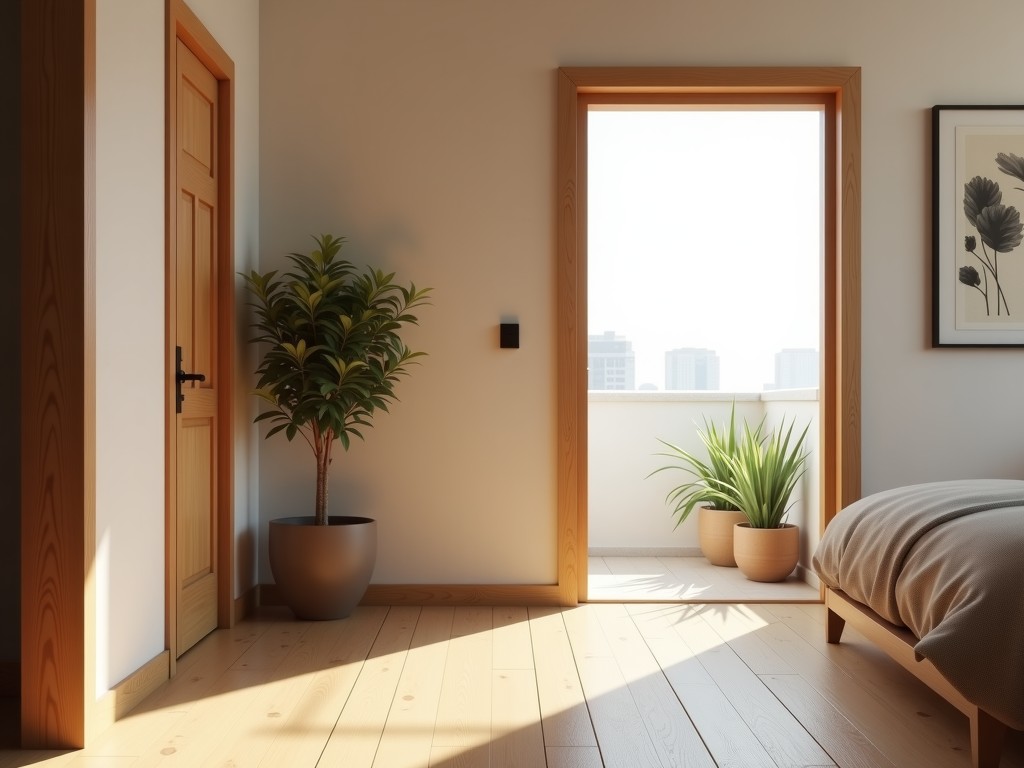
Hotel Door Set: Technical Specifications and Application Guidance
Selecting the appropriate hotel door set requires understanding how material composition, hardware integration, and dimensional tolerances affect long-term performance in high-traffic hospitality environments. This guide outlines the engineering considerations that influence durability, compliance, and operational efficiency for guest room and public area installations.
Industry Challenges in Hotel Door Applications
Hotel doors face constant mechanical stress from frequent use, exposure to varying humidity levels, and potential impact from luggage or service carts. Unlike residential applications, commercial hospitality environments demand hardware that maintains alignment and function over thousands of cycles without frequent adjustment. Common failure points include hinge sag, latch misalignment, and surface degradation of finishes in high-moisture zones like bathrooms or poolside corridors.
Additionally, fire safety regulations and accessibility standards (such as ADA requirements) impose specific performance criteria on door assemblies, including minimum opening force, self-closing capability, and resistance to warping under elevated temperatures. Procurement teams must verify that selected door sets meet these benchmarks without compromising aesthetic consistency across room types.
Material Selection for Longevity and Finish Consistency
The door leaf typically consists of a solid wood core, engineered composite, or mineral-filled polymer, each offering distinct advantages in weight, stability, and resistance to environmental factors. Solid wood cores provide natural sound dampening but require sealing to prevent swelling in humid conditions. Engineered cores, such as particleboard with moisture-resistant additives, offer greater dimensional stability and are often preferred for interior partitions where weight reduction simplifies handling during installation.
Surface finishes range from high-pressure laminate (HPL) to veneer or painted MDF, with HPL providing superior scratch and impact resistance in public corridors. Edge banding materials — commonly PVC, ABS, or wood veneer — must match the face finish in both appearance and thermal expansion characteristics to prevent delamination over time. For fire-rated assemblies, the core material must comply with specific flame-spread and smoke development ratings, which are verified through standardized testing.
Hardware Integration and Functional Performance
A complete hotel door set includes hinges, locksets, strike plates, door closers, and optional accessories such as peepholes or privacy indicators. Hinge selection is critical: full-mortise ball-bearing hinges, typically in stainless steel or brass, distribute load evenly and resist sag under frequent use. The number of hinges (usually two or three) depends on door weight and height, with taller or heavier leaves requiring additional support to maintain vertical alignment.
Locksets must accommodate both mechanical keys and electronic access systems, with many modern installations featuring mortise locks designed for retrofitting with RFID or keypad entry. The latch bolt should engage fully with the strike plate to ensure proper door closure and security. Door closers, when specified, are adjusted to provide controlled closing speed that meets accessibility guidelines — typically no more than 5 pounds of opening force and a closing time of at least 5 seconds from 90 degrees.
Typical Specifications and Dimensional Standards
| Parameter | Typical Range | Notes |
|---|---|---|
| Door Leaf Thickness | 35–45 mm | Standard for interior guest room doors; fire-rated variants may exceed 50 mm |
| Height | 1981–2134 mm | Nominal heights vary by regional building codes; custom heights available |
| Width | 762–914 mm | Single leaf; double leaf configurations require separate framing |
| Hinge Type | Full mortise, ball bearing | Usually 100 mm height; stainless steel grade 304 or 316 for corrosive environments |
| Lock Backset | 60–70 mm | Distance from edge to center of bore; must match strike plate placement |
| Finish Options | HPL, veneer, paint, powder coat | Selected based on wear resistance, cleaning protocols, and design continuity |
These dimensions represent common configurations; actual specifications vary based on project requirements, local regulations, and door function (e.g., service entrance vs. guest suite). Tolerances for thickness and squareness are typically held within ±1.5 mm to ensure proper fit within pre-hung frames and consistent reveal around the perimeter.
Application Scenarios and Environmental Considerations
In guest rooms, door sets prioritize acoustic performance and visual appeal, often incorporating solid cores with veneer finishes to match interior design schemes. Public area doors — such as those leading to conference rooms, fitness centers, or staff-only zones — emphasize impact resistance and ease of maintenance, frequently utilizing HPL surfaces with metal edge protection.
For areas exposed to moisture, such as indoor pool changing rooms or spa entrances, manufacturers may specify water-resistant cores and edge seals to prevent swelling or delamination. In regions with high fire risk, door sets are submitted for certification to standards like UL 10C or EN 1634-1, with labels indicating fire resistance duration (e.g., 20, 45, or 60 minutes).
Sound transmission class (STC) ratings are also evaluated in multi-unit constructions, where door assemblies contribute to overall acoustic privacy between rooms. A well-sealed door set with proper gasketing and a drop-down bottom seal can achieve STC ratings in the 30–35 range, significantly reducing noise transfer compared to unsealed alternatives.
Customization and OEM Flexibility
Manufacturers typically accommodate custom dimensions, core materials, and finish options to align with architectural specifications or brand standards. Tooling adjustments for non-standard sizes may affect lead time and minimum order quantities, particularly when custom molds or presses are required for core forming or lamination processes.
Hardware finishes — such as polished brass, satin nickel, or matte black — can be specified to match interior fixtures, while locksets may be prepared for integration with centralized access control systems. Fire-rated configurations require specific core formulations and intumescent seals, which are validated through third-party testing before production release.
Packaging is designed to protect finishes and edges during transit, with individual units often wrapped in protective film and placed in corrugated cartons with corner reinforcements. For international shipments, moisture-barrier liners and phytosanitary-compliant pallets are used to meet import regulations and prevent damage during long-haul transport.
Installation and Long-Term Maintenance
Proper installation begins with verifying frame plumb and square within tolerances of ±2 mm. Shims are used to adjust for wall inconsistencies, ensuring the door operates without binding or excessive gap variation. Hinge screws should be anchored into structural studs or reinforced blocking to prevent pull-out over time.
After installation, periodic inspection focuses on hinge tightness, latch alignment, and closer adjustment. Lubrication of pivot points with silicone-based grease helps maintain smooth operation, while abrasive cleaners should be avoided on laminated or painted surfaces to prevent finish degradation. In high-traffic zones, touch-up kits for edge banding or surface scratches are recommended to extend service life.
With appropriate material selection and maintenance, hotel door sets typically remain functional for 10–15 years before requiring replacement due to wear or aesthetic updates. Factors such as usage frequency, cleaning regimens, and environmental exposure significantly influence actual lifespan.
Procurement and Technical Support
Engineering teams evaluate door set proposals based on performance data, material certifications, and compatibility with existing hardware systems. Requests for quotation should include detailed specifications — such as door dimensions, fire rating requirements, finish preferences, and hardware type — to enable accurate pricing and lead time estimation.
Samples or full-scale mockups are often provided for approval before production, particularly for custom finishes or non-standard configurations. Technical documentation, including installation guides, maintenance schedules, and compliance certificates, is available upon request to support specification validation and facility management planning.
To discuss your project requirements or request a customized proposal, share your drawings or specifications with our engineering team for detailed review.