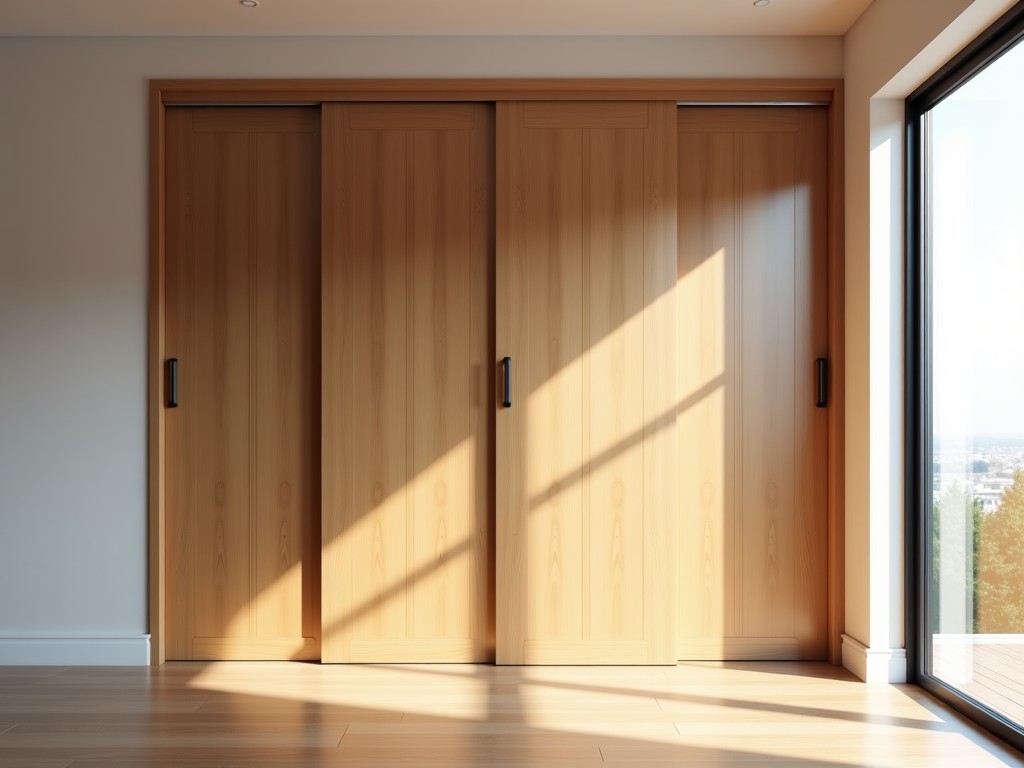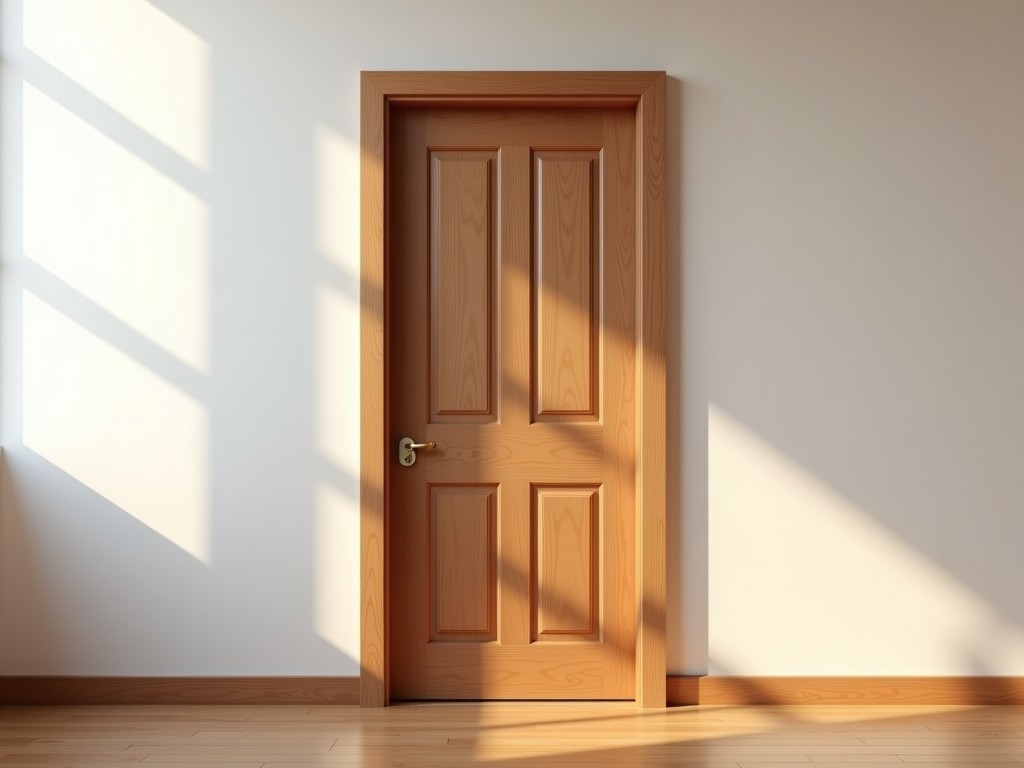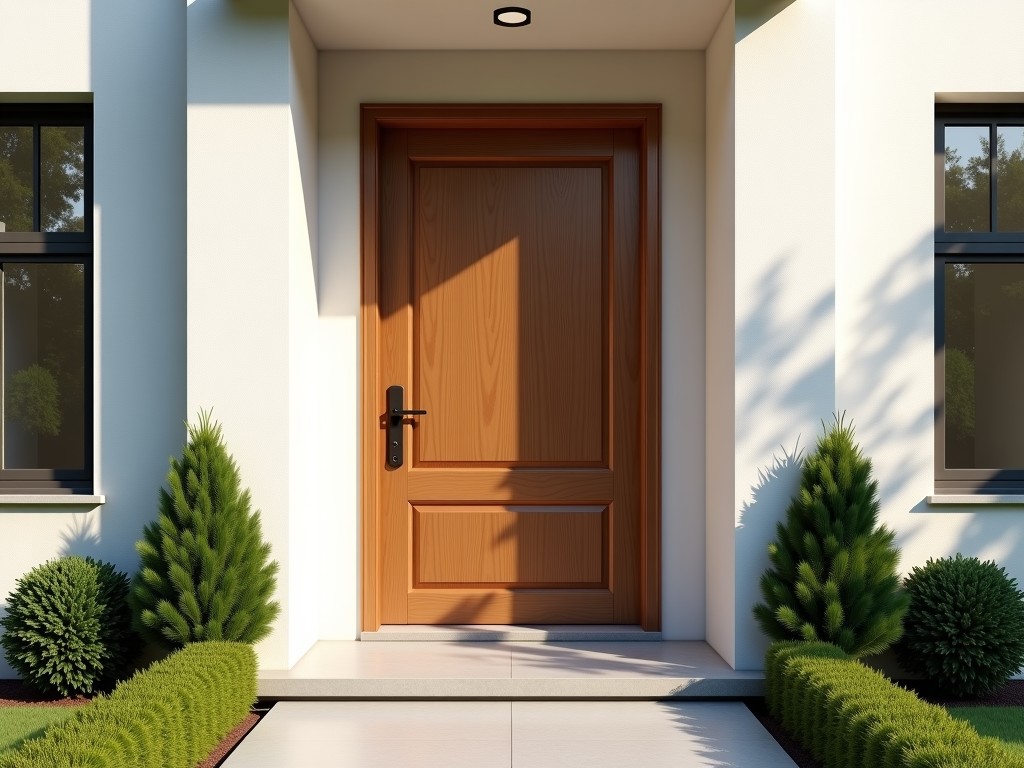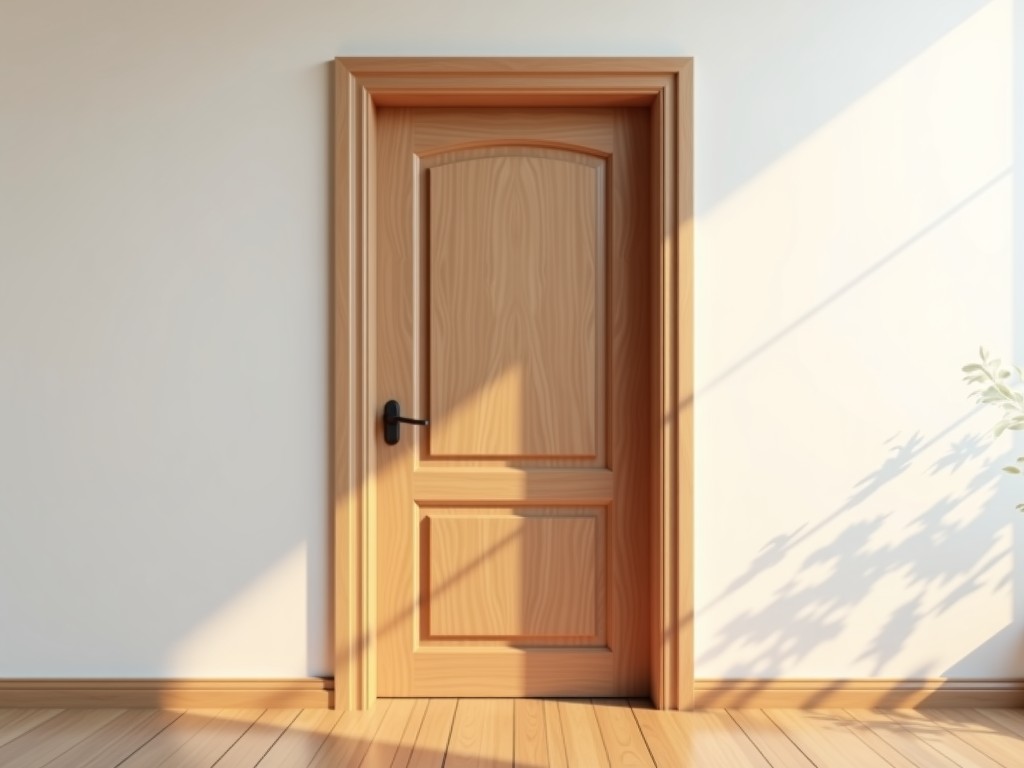
Wholesale Lacquered Wooden Door
Wholesale Lacquered Wooden Door
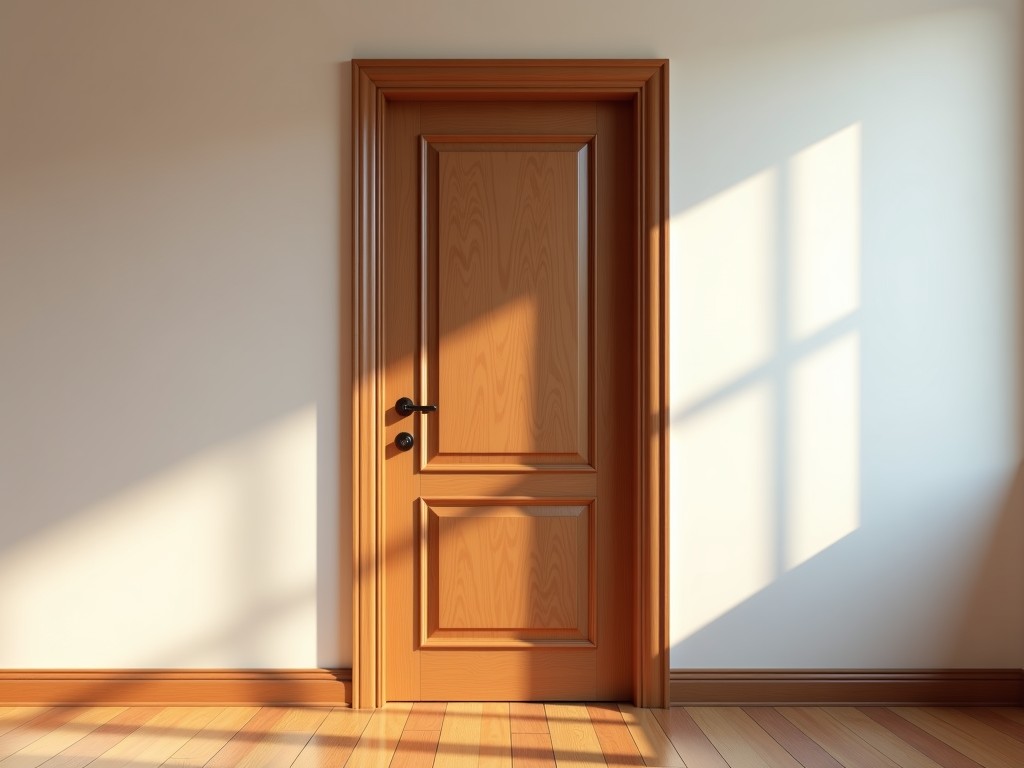
Lacquered Wooden Door: Technical Specifications for Industrial and Commercial Applications
In environments where surface durability, aesthetic consistency, and dimensional stability are critical—such as healthcare facilities, educational institutions, and high-traffic commercial buildings—the selection of interior doors requires evaluation beyond basic appearance. Lacquered wooden doors offer a balance of engineered wood performance and a sealed, wear-resistant finish suitable for demanding operational conditions.
Material Selection and Core Construction
The door leaf typically uses a solid or engineered wood core, such as poplar, birch, or MDF, selected for its uniform density and minimal internal stress. These materials are chosen to reduce the risk of warping or twisting under fluctuating humidity levels common in climate-controlled interiors. The core is bonded using formaldehyde-free or low-emission adhesives compliant with indoor air quality standards.
Edge banding is applied using PVC, ABS, or wood veneer strips, hot-melt sealed to prevent moisture ingress at vulnerable points. This detail is particularly important in areas subject to frequent cleaning or occasional water exposure, such as restrooms or utility zones.
Lacquering Process and Surface Performance
The lacquer finish is applied in multiple stages: sanding, priming, topcoat application, and UV or thermal curing. This process creates a sealed surface that resists staining, scratching, and mild chemical exposure from cleaning agents. The coating thickness typically ranges from 0.1 to 0.3 mm, depending on the number of layers and application method (spray or roller).
Unlike untreated wood or basic paint finishes, lacquer provides a non-porous barrier that limits moisture absorption and supports repeated wiping without degradation. This characteristic is essential in hygiene-sensitive environments where doors are subject to daily disinfection protocols.
Typical Specifications
| Parameter | Typical Range |
|---|---|
| Door Thickness | 35 mm, 40 mm, 45 mm |
| Standard Width | 600–900 mm (in 50 mm increments) |
| Standard Height | 1900–2100 mm |
| Core Material | Poplar, Birch, MDF, Honeycomb (lightweight) |
| Surface Finish | UV-cured polyurethane lacquer, matte to semi-gloss |
| Edge Sealing | PVC/ABS/wood veneer, hot-melt adhesive |
| Fire Rating (Optional) | FD30, FD60 (depending on core and additives) |
| Weight (Approx.) | 18–28 kg/m² (varies by core) |
Dimensional Stability and Tolerance Control
Maintaining consistent dimensions is critical for proper frame alignment and hardware installation. Manufacturing processes include clamping and drying cycles to stabilize the core before facing and finishing. Typical tolerances are ±1.5 mm for width and height, and ±0.5 mm for thickness, measured at ambient conditions (20°C, 50% RH).
These tolerances ensure compatibility with standard steel or aluminum door frames and allow for smooth operation of hinges, locks, and closers without binding or excessive gapping. For applications requiring tighter alignment—such as automated access systems or sound-rated assemblies—custom tolerance grades are available upon request.
Application Scenarios
Lacquered wooden doors are commonly specified in:
- Hospital patient rooms and corridors, where surface cleanliness and impact resistance are priorities
- School classrooms and administrative offices, benefiting from scratch resistance and ease of maintenance
- Hotel guest rooms and service areas, balancing appearance with durability under frequent use
- Public building lobbies and meeting rooms, where aesthetic consistency across multiple units is required
In each case, the lacquer finish reduces long-term maintenance needs by minimizing the need for repainting or touch-up, supporting lifecycle cost efficiency.
Customization Options
Beyond standard dimensions, customization includes:
- Core material substitution (e.g., fire-retardant MDF, moisture-resistant particleboard)
- Lacquer color matching to RAL, NCS, or custom samples
- Integration of vision panels, louvers, or acoustic inlays (with corresponding adjustments to core and framing)
Hardware preparations—such as hinge mortises, lock faceplates, and door closer reinforcements—are performed to client specifications. CNC routing ensures repeatability across production batches.
Packaging and Logistics
To prevent surface damage during transit, doors are packaged individually in polyethylene sleeves, placed between corrugated cardboard sheets, and stacked on pallets with corner protectors. Edge and face protection is standard; additional framing or crate options are available for long-distance or export shipments.
Each unit is labeled with a unique identifier containing production date, material code, and finish batch, supporting traceability and quality audits. Storage recommendations advise flat stacking in dry, ventilated conditions to avoid moisture absorption prior to installation.
Quality Control and Testing
In-line inspections include surface defect checks (using standardized lighting), thickness gauging, and adhesion testing (cross-hatch method per ASTM D3359). Final random sampling evaluates hardness (pencil test), gloss uniformity, and resistance to common cleaning agents (e.g., isopropyl alcohol, quaternary ammonium solutions).
While specific test reports are project-dependent, manufacturers typically maintain internal QC logs compliant with ISO 9001 principles. Buyers may request third-party verification for fire rating, formaldehyde emission (E1/E0), or impact resistance as part of procurement due diligence.
Selection Considerations for Procurement and Engineering Teams
When evaluating lacquered wooden doors, technical teams should verify:
- Core composition and its suitability for the intended environment (e.g., humidity levels, load expectations)
- Lacquer type and curing method, which affect chemical resistance and long-term gloss retention
- Edge sealing integrity, particularly if doors will be exposed to moisture or frequent cleaning
- Compatibility with specified hardware and frame systems
- Lead time implications of custom finishes or non-standard cores, which may require special material sourcing
Addressing these factors early in the specification phase reduces the risk of field performance issues, delays, or premature replacement.
Share your drawings or specifications for a customized proposal